Review: The Theory of Everything (2014)

the-theory-of-everything-movie-still-5

How do you sum up the life of such an extraordinary human being? Director James Marsh, writer Anthony McCarten and principle actors Eddie Redmayne and Felicity Jones prove that you have to start from a place of emotion, and THE THEORY OF EVERYTHING is an absolute rollercoaster in that regard.

The film tells the story of Stephen Hawking (Redmayne) and his first wife Jane (Jones) whose respective careers and shared family life are tested by Hawking’s early diagnosis with motor neuron disease. Trapped in a failing body, Stephen’s mind strives to explain the universe, its beginning and its end, in addition to the nature of time itself, while Jane’s willpower, endurance and love are pushed to the limit by the demands of their far from ordinary relationship.

Key, of course, to conveying the required emotions is the quality of the performances, the absolute commitment of the actors. As remarkable as Eddie Redmayne’s chameleonic transformation into Stephen Hawking is (and it is), Felicity Jones bares just as much of the dramatic weight as Jane, and there is strong support from Charlie Cox, David Thewlis, Harry Lloyd and Maxine Peake.

As well as looking uncannily like him and distorting his body to the extreme to portray the physicist throughout his adult life, Redmayne effortlessly conveys Hawking’s vast intellect but also isn’t above portraying him as a man with an ego, someone proud and stubborn who would turn down any and all assistance if he were able, even during the worst stages of his physical decline. It’s telling that the one time where he does ask for support he actually says “Jane needs help” rather than “I need help”.

Jones on the other hand fully embraces the script’s provocation of some uncomfortable, but understandable questions about her relationship with Hawking. Jane is shown to be resilient, strong-willed and deeply, unconditionally loving, just the right person for Stephen to be with at the worst time of his life. But as he begins to require more and more dedicated care and attention as time passes, something breaks within her. She put her life, her career and her passions on hold to support Stephen in his, and you have to wonder whether she would still make such a commitment had she known just how long her husband would cling to life.

The scene where Stephen tells his best friend about his terminal illness is one of the most real and honest things I’ve seen in recent years. The natural reaction to such earth-shattering news, as strange as it may sound, is to laugh, first as a reflex, then as a defense against the grave magnitude of the situation. Brian (Harry Lloyd) then goes into denial, insisting Stephen must be mistaken and understandably provoking a hostile reaction from his friend who just wants to be left to despair. In this short sequence, Redmayne and Lloyd manage to portray the entire grieving process from start to finish.

It frequently makes for an upsetting watch as we witness Stephen’s progressive difficulty with the simplest of daily tasks in intimate, painful detail, in addition to the toll caring for him takes on Jane (the film rightly skips over how she coped during pregnancy – it’s really none of our business) but it’s always captivating, oddly hopeful viewing too as Hawking’s body fails and his mind in turn makes impossible leaps.

The film also finds space for a fair few moments of levity – Stephen goes out drinking with his raucous Cambridge buddies even after he loses the power to walk, he continues to embelish his lectures with witty asides even after he loses the power of speech, and at one point he even manages to storm off in a jealous huff in his wheelchair. When he is finally given his now-iconic electronic voice (a spine-tingling moment in itself) Stephen proceeds to test it with quotes from pleasingly disparate sources in what unexpectedly becomes one of the funniest scenes of the year.

There are some lovely recurring visual cues that marry seamlessly with the core themes of the film. Hawking’s early theories were based on the idea of black holes resulting from a singularity, and spirals are used to great effect as Stephen’s mind continually whirs and his personal and physical life spins out of his control, whether he’s staring in a trance at milk stirred into coffee as a student, spinning with Jane on a riverbank, or circling an ornate room in his electric chair during a key moment later in his life. The nature of time itself is also played with in the telling of this story, which might have amused the real Hawking when he saw the film. In a way he is always physically trapped in a moment in time, but in another sense he is much freer, his enlightened mind liberated to roam back to what was and forward to what might be.

A scene midway through the film has Jane trying to explain to new friend and physics sceptic Jonathan (Charlie Cox) her husband’s theories using peas and potatoes. It might have been tempting to resort to such methods every time Stephen dives into hypothesis, to have an everyman character explaining it all in plain English to those talking in the back. Thankfully, the peas and potatoes bit is purely for Jonathan’s benefit rather than the audience’s, and it’s real testament to Hawking’s magnetic personality and gift as a teacher that in all of his lecture scenes, even once his disease has begun to drastically slur his speech, we rarely fail to understand him and his ideas.

There can be a tendency to think of British films as uncinematic, TV movie-like, but The Theory of Everything disproves this often incorrect assumption with beautifully framed shots throughout, striking cinematography and dynamic visuals expressing Hawking’s revolutionary ideas. It’s one of the most handsome films released anywhere this year, and tells Stephen and Jane’s tale with well-judged wit and sensitivity, without falling into the trap of making the story unnecessarily maudlin. Perhaps most compellingly of all, despite Stephen Hawking’s agnostic-to-athiest stance on religion, the film ends up being a rather spiritual experience. SSP

Posted in Film, Film Review | Tagged , , , , , , , , , , , , , , | 1 Comment

Review: The Expendables 3 (2014)

the-expendables3_1

The opening sequence of THE EXPENDABLES 3 sees Wesley Snipes kill a military despot-type baddie by running an armoured train into him. This sets the tone for the film, that basically if this franchise ever took itself remotely seriously, then those days are long long since past.

In their third outing, Barny Ross’s (Sylvester Stallone) team of grizzled mercenaries are going through a rough patch. After liberating an old ally (Wesley Snipes) from captivity, they are dealt a personal blow when an adversary long presumed dead (Mel Gibson) takes out one of their team. Not willing to risk the lives of any more of his friends, Ross sets out to recruit some new blood to help him settle his very personal grudge.

The story from set that received most publicity in the press (next to the early leak of the film online by hackers) was Bruce Willis’ sudden abandonment of the franchise over money. This left bad blood between himself and Sylvester Stallone to put it mildly, with Sly brazenly calling him “greedy and lazy” for demanding so much for what would amount to only a few days of work, and consequently Willis’ character Church barely gets a mention in the film. Stallone must have been tempted to twist the knife a little more, though he does still give a throwaway line of meta dialogue to Harrison Ford that essentially functions as a massive middle finger to Willis.

The filmmakers seem to have unearthed a decent sense of humour from somewhere this time, with gags aplenty that go beyond laddish banter. The first film was just glum and took itself fatally seriously, and the second got a little more playful, but the jokes just weren’t good enough. Here, after killing that baddie with a train, Snipes demonstrates that he can apparently get a really clean dry shave using Dolph Lundgren’s ridiculously huge knife, and we see him take a chunk out of his beard before a noticeable cut to Stallone and Jason Statham for a couple of minutes, then Snipes reappears proudly rubbing a pristinely smooth chin. That’s a decent sight gag. We also have references to Snipes’ tax evasion, Arnie’s supposed retirement and even a (somewhat tasteless) gag which I think makes fun of Stallone’s partial facial paralysis. Basically, everyone in the cast seems up for a little joshing regarding their personal and professional blunders, personas and appearance.

It’s also quite amusing that Snipes is supposed to be playing one of the original team of Expendables whereas Statham’s Lee Christmas joined the team later, and a big thing is made of the former having far more experience with a knife than the latter, despite the fact there’s what? Five years difference in age between them? So either Doc is meant to be older than he looks, Christmas is meant to be younger, or I really shouldn’t be giving all this so much thought.

Snipes is a likably charismatic addition to the team, and it’s nice to be reminded how skilled he is at blending the genuinely tough physical stuff with the odd sly wink to the audience. Antonio Banderas is also good, providing pretty much all if the laughs, and seems to have arrived as the only actor who has bothered to form a fully-rounded character. Gibson as the brilliantly-named Conrad Stonebanks makes for the most entertaining villain of the series (though this isn’t really saying much next  to Eric Roberts and Jean-Claude Van Damme sleepwalking through their roles in the previous films).

The action is plentiful, fun, and well-paced, but with the occasional clumsy CG transition, and a still-neutered level of violence for the sake of the film studio’s profit margins. Sharp editing does help here though, improving on the second movie’s often bewildering gore-avoidance, so at least this time we can tell what’s meant to be going in, even if we don’t actually see it all.

And blow me down if there isn’t some actual cinematography in this one! Seriously, they actually bothered to hire a director and a DP who take the time to say something, anything, with their camerawork, and this could be a pretty good springboard for better things for the director, relative newcomer Patrick Hughes (he has recently been attached to the completely unnecessary remake of THE RAID).

Stallone even admits (gasp!) that The Expendables might be getting on a bit in years, and puts in a line for one of the new young recruits that describes the established cast as “A bunch of has-beens trying to be hard”. Speaking of the newbies, I wouldn’t be the least bit surprised if they get much more work in movies out of this, particularly the MMA fighter Ronda Rousey.

It’s all still dumb, undemanding stuff, but that’s OK sometimes. The finale is 20 minutes of carnage, featuring Arnie saying “CHOPPAH!” from a chopper, Banderas trying to flirt mid-battle, Ford in a flying machine and Statham and Snipes getting their martial arts on. In short, it’s everything you pay to see in a movie like this.

It’s still unforgivable that Jet Li has such minor role, and when he does finally turn up he just shoots a couple of people. The final scrap between Stallone and Gibson is dull too, but it does result in a so-bad-it’s-good one-liner that I’m sure Sly will be asked to repeat to fans for many years to come.

I’m not going to pretend there’s anything on offer here but choreographed destruction and old action stars aping how cool and omnipresent they used to be – there isn’t – but at least Stallone and his writers have come to realise that they can’t really sell themselves as credible action heroes anymore, and they make up for the lack of commentary on anything that’s actually relevant to contemporary society by making the central premise as ridiculous as possible. It’s big, it’s certainly not clever, but it’s also a quite a lot of fun. I’m not clamoring for another one, but I’m pretty glad than one of these things sort-of worked. SSP

Posted in Film, Film Review | Tagged , , , , , , , , , , , , , , , , , , | Leave a comment

Looking Back and Looking Forward: 2014

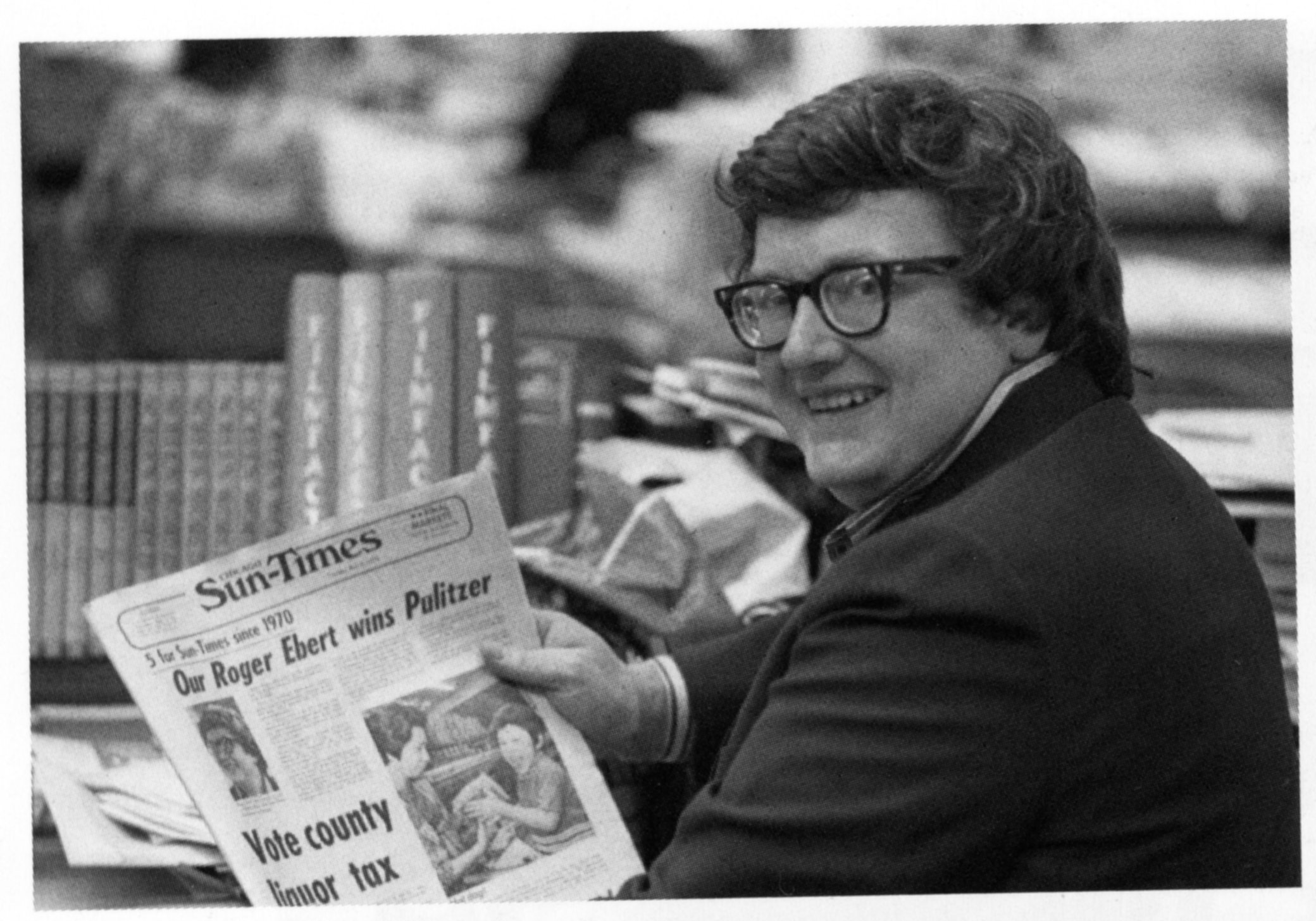
20131120122527-SRCHP280_Ebert_pulitzer_newspaper

Well, it’s been an interesting year on the Big Screen. Last year, I said that 2014 would be the cinematic pits. I’ll admit that I wasn’t entirely correct. Some of the films I dreaded did indeed turn out a bit rubbish, some were pushed back to 2015, and others were pleasant surprises. Further surprises came from unexpected sources, from left-of-field, both good and bad. It was a little bit of a mixed bag of a year in film all-in-all, and is difficult to consistently summarise, but that won’t stop me trying. I’ll emphasise again that I live in the UK, so have been unable to see several much-hyped films like FOXCATCHER and BIRDMAN yet, but without further ado, here’s my Top 10 and Bottom 5 of 2014 as it stands at this moment in time.

The Best:

Two Days, One Night

10. TWO DAYS, ONE NIGHT

A real gut-punch for people living in a financially uncertain time, TWO DAYS, ONE NIGHT is a tough, moving and unshowy Belgian social drama. Marion Cotillard gives the performance of her life, and as we are presented with so few other stylistic distractions, she holds the entire film up almost single-handedly by reducing herself to a shell of a human being. It’s not cheery, but it’s powerful stuff.

frank-movie

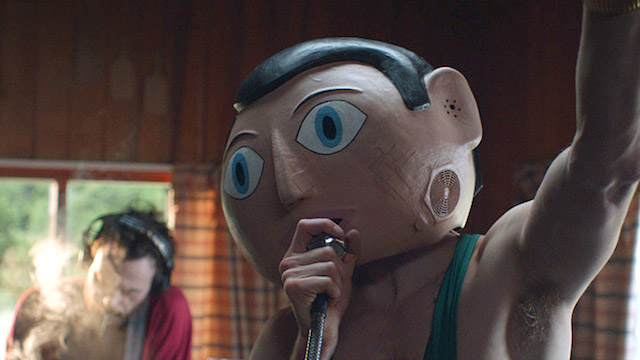
9. FRANK

Well, nobody was expecting a film featuring Michael Fassbender wearing a papier-mâché head for all-but the duration to be conventional. Zany, hilarious and artsy without being pompous, FRANK also has the best soundtrack of the year and fully commits to examining art and mental illness in an appropriately thoughtful, non-patronising fashion. My full review of Frank can be found here.

guardians-of-the-galaxy-groot-3

8. GUARDIANS OF THE GALAXY

Come for the space opera set pieces and retro soundtrack, stay to spend some quality time with a gang of hilarious and empathetic misfits. Marvel/Disney May own the world, but they’re not above a punt on an outsider, something colourful, unique and completely and utterly memorable. My full review of GUARDIANS OF THE GALAXY can be found here.

C1

7. CALVARY

Thematically resonant and hard-hitting, mythic but very modern, CALVARY is the purest drama film of the year, and finest work of Brendan Gleeson and John Michael McDonagh’s respective careers. A superb supporting cast gives the film another boost – Chris O’Dowd, Kelly Reilly and Dylan Moran all add different shades to the overall canvass, and the whole film looks equally grim and beautiful. My full review of Calvary can be found here.

The-Raid-2-Reviews-Berandal

6. THE RAID 2

Gareth Evans’ bonecrunchingly brilliant visceral martial arts thriller THE RAID left a mark three years ago. His sequel confidently builds on a sturdy foundation to become a layered and high-impact untraviolent crime epic. It’s not just the stunning fight choreography and editing that impress here, as Evans proves he can successfully execute complex car chases and deliver a script overflowing with layered characters, and the cast are all on top form. My full review of THE RAID 2 can be found here.

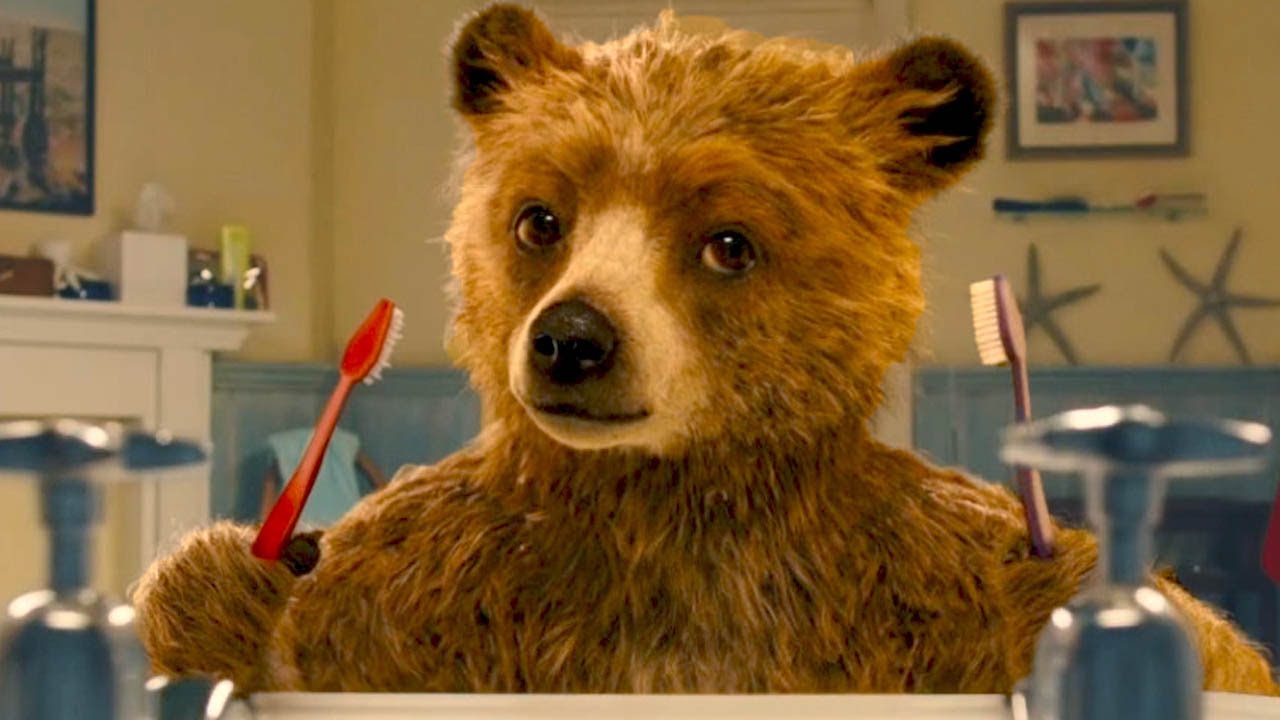
paddington

5. PADDINGTON

I really wasn’t expecting such a loving adaptation of Michael Bond’s timeless books to have such bite as well as warmth. It’s just as funny and child-friendly as any PADDINGTON movie should be, but it’s also razor-sharp, semi-satirical and hugely visually inventive. With the cream of British character actors making up the cast, all these elements contribute to a winning combination. My full review of Paddington can be found here.

New__Dawn__trailer_is_emotional_and_terrifying

4. DAWN OF THE PLANET OF THE APES

Another great movie sequel that made my Top 10, DAWN OF THE PLANET OF THE APES set a new benchmark for performance capture technology, but also kept things refreshingly tactile by using massive real-world sets and taking the mo-cap tech out on location. The dystopian world it presented was bleak and uncompromising, the emotions raw, the action sensational, and the film also gifted us with a star-making turn from Toby Kebbell as the sympathetic tortured psychopath Koba. My full review of Dawn of the Planet of the Apes can be found here.

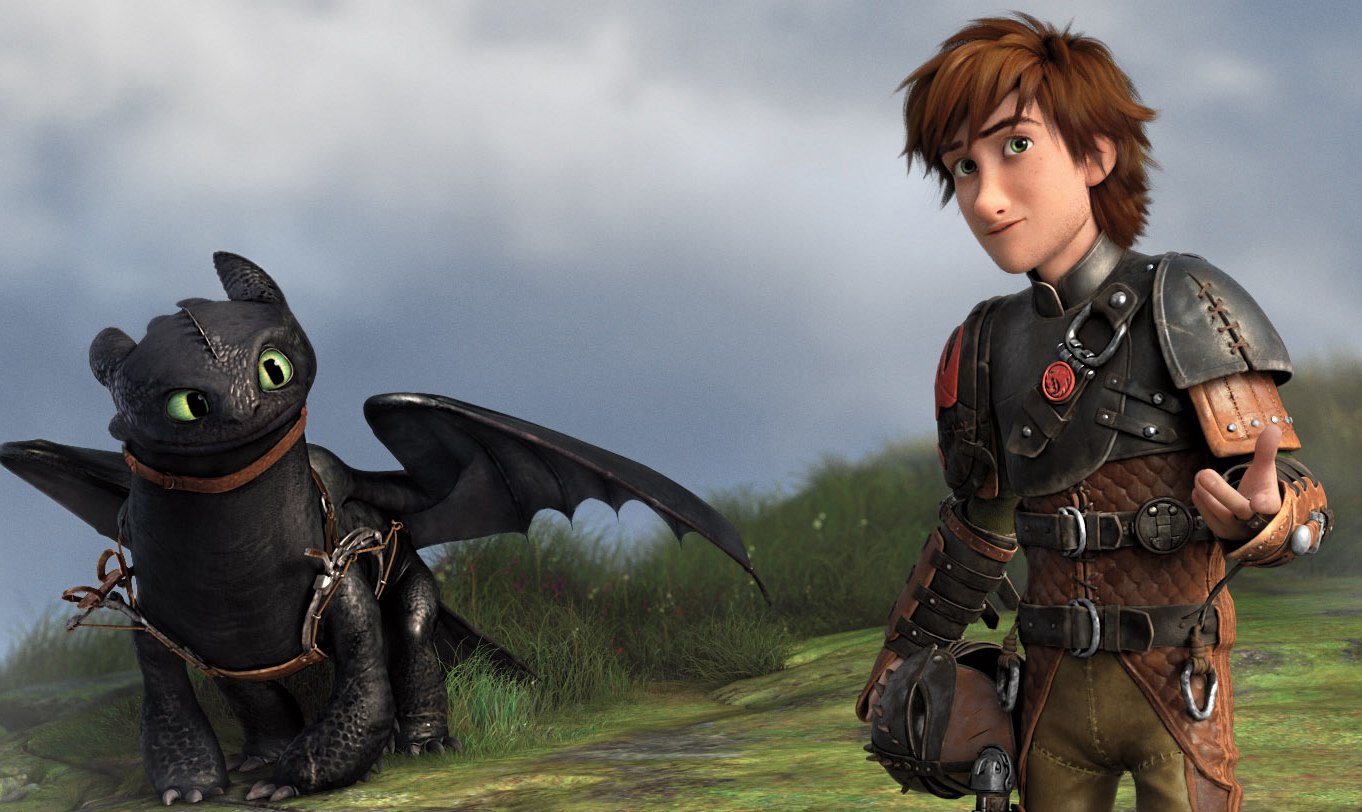
ToothlessHiccupHowToTrainYourDragon2

3. HOW TO TRAIN YOUR DRAGON 2

This is how sequels should be done. Expand your universe, build your characters, move the story forward. HOW TO TRAIN YOUR DRAGON 2 does all this and more to deliver an emotionally and thematically bold fantasy extravaganza that manages to be both grand in scale and intimate in its exploration of man’s relationship with nature. My full review of How to Train Your Dragon 2 can be found here.

1407782085630_wps_5_The_Guest_4_jpg

2. THE GUEST

A film playful in its extremes, THE GUEST is creepily still one moment then all-out B-Movie carnage the next. It’s entertainingly split-personalitied throughout, but always held in check by Adam Wingard’s sure direction and Dan Stevens’ barnstorming turn as the love-to-hate title threat. No other film this year has kept me as riveted, nor alternating between smiling and grimacing at what I’m witnessing as much as this one. It’s very clever, and very cool.

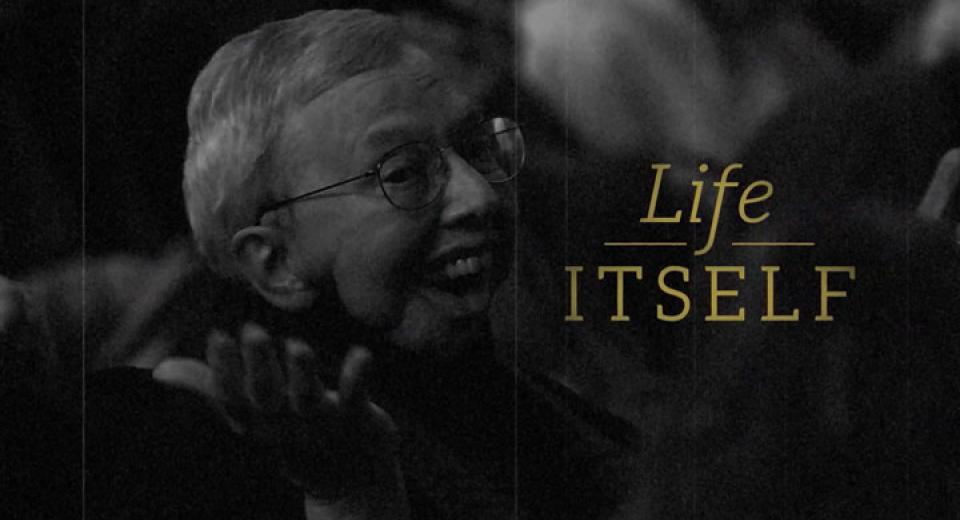
Life-Itself2

1. LIFE ITSELF

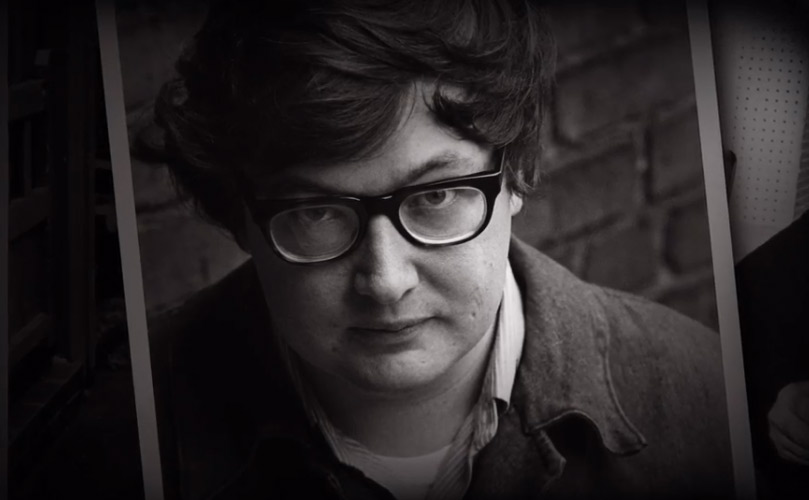
What else could it be? A little something inside me died when Roger Ebert passed away last year, and Steve James’ affectionate documentary about the late great critic became the finest of tributes. With such a fascinating life to dissect, this documentary was always going to be an interesting watch, but it was given added pathos by Ebert’s real-life decline and death during production, and gave the greatest of critics a fitting sendoff. My full review of LIFE ITSELF can be found here.

The Worst:

godzilla_2014___the_king_s_snarl_by_sonichedgehog2-d7gesxp

5. GODZILLA

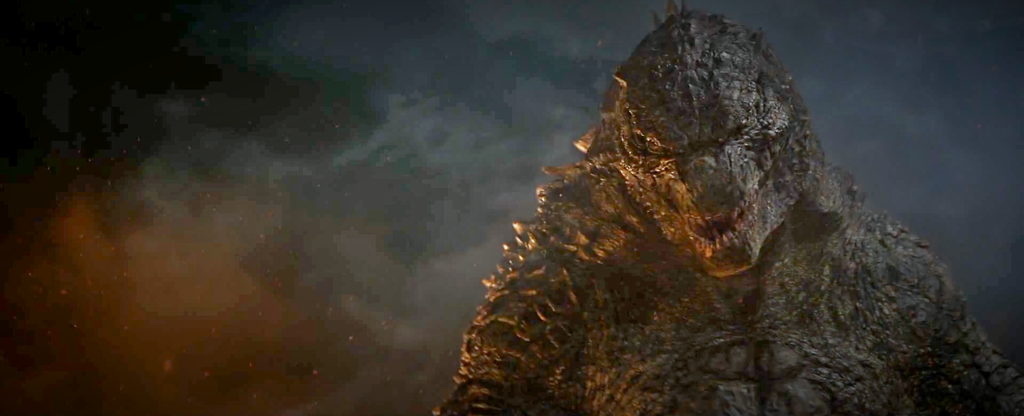
There were certainly worse films released in 2014, but none more disappointing than Gareth Edwards’ misguided GODZILLA reboot, where the big scaly fella hardly featured in his own movie. Perhaps being completely and utterly boring should be a worse cinematic crime than technical ineptitude, but I can’t knock this one any further down the list because it looked (unimaginative MUTOs aside) and sounded great. It just had nothing below the surface. My full review of Godzilla can be found here.

o-I-FRANKENSTEIN-facebook

4. I, FRANKENSTEIN

There’s a place for trash, and I’ll admit I’ve got a kick out of such fare in the past, but this, a film with animate gargoyles and Frankenstein’s Monster beating up demons with batons, dumbfoundingly tried to take itself seriously. Having godawful tone deaf script and archaic-looking CGI made sure even Bill Nighy at his cured ham best couldn’t save it. My full review of I, FRANKENSTEIN can be found here.

1231429 - Pompeii

3. POMPEII

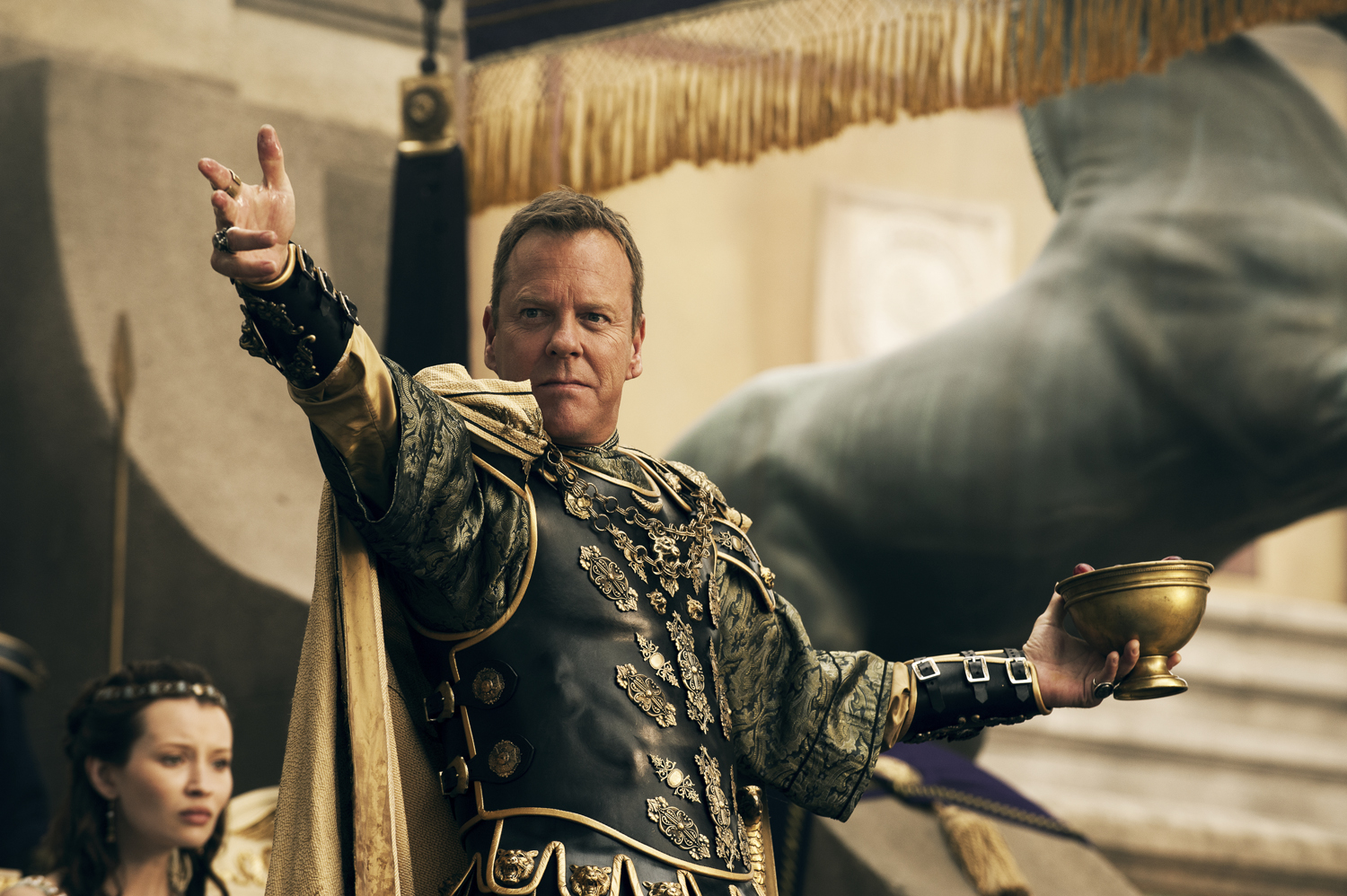
This is why Paul W S Anderson should stick to RESIDENT EVIL. Nothing based on a real historical tragedy should be so unintentionally hilarious. The dialogue and the way the cast have been directed to play their lines is painful, and no-one should have to sit through such unconvincing wannabe-GLADIATOR revenge/romance tripe just to get to an extended scene of apocalyptic destruction. When the volcano goes off, it’s pretty entertaining, but it’s a fatal weakness in your screenplay when you don’t care that all the characters you’ve been following for nearly two hours are all going to die. My full review of POMPEII can be found here.

robocop-remake-this-is-the-future-of-american-justice

2. ROBOCOP

Paul Verhoeven’s bloodbath of an 80s sci-fi satire famously wasn’t subtle, but it didn’t try and tell you what to think either. The consequences of crime and violence, and the flawed nature of justice systems the world over were right there on screen for us to make of them what we will. The remake is a neutered, dumb beast masquerading as contemporary political commentary. My full review of ROBOCOP can be found here.

paul-giamatti-is-the-rhino-in-the-amazing-spider-man-2

1. THE AMAZING SPIDER-MAN 2

Sony have had a bad year. Emails were hacked, movies were leaked, movies were cancelled, and the biggest of all the studio’s releases was not only a terrible, terrible film, but it didn’t make anywhere near as much as it was projected to. The mess that resulted from Sony greedily trying to ape Marvel’s world-building formula was incoherent, unsatisfying, fumblingly scripted and acted as well as looking like an over-produced feature-length advert for Sony’s tech products. My full review of THE AMAZING SPIDER-MAN 2 can be found here.

Happy New Year everybody, here’s hoping for a slightly more consistent 2015 in film! SSP

Posted in Film, Film Feature | Tagged , , , , , , , , , , , , , , , , , , , , , , , , , , , , , , , , , , , , , , , , , , | 3 Comments

Review: The Hobbit: The Battle of the Five Armies (2014)

The-Hobbit-The-Battle-of-the-Five-Armies-4

It’s at an end. Peter Jackson has left Middle-Earth behind. For real this time. Probably. THE HOBBIT: THE BATTLE OF THE FIVE ARMIES gives the lengthiest chapter in Jackson’s career so far an appropriately grand ending, but wisely he doesn’t try and out-scale THE RETURN OF THE KING, rather he just makes the type of spectacle we are witnessing a little bit different.

Bilbo and the dwarven company of Thorin Oakenshield’s long journey has reached its zenith. After turfing a furious dragon out of their mountain kingdom, the diminutive collective baton down the hatches and prepare for the kind of fallout that can only result from a massive power vacuum left by the sudden absence of the furnace with wings. Hosts of orcs, men and elves quickly crowd their doorstep to claim what was promised, what was stolen, or just a beardy head or two. As Thorin’s (Richard Armitage) sanity slides and he pushes his companions away in a paranoid frenzy, Bilbo (Martin Freeman) and Gandalf (Ian McKellen) try and broker an uneasy peace between the squabbling factions in time to stand together against the foul forces thrall to a not-quite-corporeal Dark Lord.

As impressive and multi-leveled (both geographically and in terms of character) as the actual drawn-out conflict of the title is – and the 45-minute clash is as bombastic as one has come to expect from Jackson – my favourite action beats are the briefer, smaller-scaled ones. The sequence of Smaug (Benedict Cumberbatch) reducing Laketown to a burning shell is kept as a relatively brief, though still emotionally-charged, action appetiser. A few duels between nemeses that have long been teased also get satisfying payoffs, and the very best fight scene in the whole film comes from a wonderfully unexpected source, which I won’t spoil beyond saying that we finally get to see the White Council in action.

The cast all turn in their best work of the trilogy. Freeman and McKellen are dependable stalwarts as ever, Luke Evans and Richard Armitage bring the dramatic meat of the story to life, Ken Stott, Graham McTavish and Aiden Turner stand out amongst the company of dwarves and even Billy Connolly makes a memorable, if brief appearance at the end riding a humungous pig. Orlando Bloom sells the most ridiculous of all Legolas hero moments and is stoically cool throughout, even if he does have to say with a straight face one of the stupidest lines Jackson’s writing team have ever committed to screen: “These bats are bred for one purpose [dramatic pause] for war!”. Evangeline Lilly and Lee Pace continue their strong work from THE DESOLATION OF SMAUG in establishing that elves aren’t all the goody-two-shoes of the likes of Galadriel (Cate Blanchett) and Elrond (Hugo Weaving) – who both make striking return appearances – and are in fact just as flawed as the rest of us.

Armitage’s performance is strong enough to sell Thorin’s corrupted soul without the exaggerated stylistic touches Jackson insists on using in a key scene (altering the pitch and speed of his words doesn’t really add to the character’s pathos, it just makes it comical, even if it is sort-of thematically evocative) and far better for dramatic effect is a much more straightforward later scene of Thorin and his trusted lieutenant Dwalin (Graham McTavish) just talking how old friends really talk to each other when one of them has made a massive blunder.

I won’t say the pacing, the buildup to all-out war is as well done as it was for the Battle of Helm’s Deep in THE TWO TOWERS (in fact, the uneven pacing is probably the weakest aspect of this film), but it does demonstrate that Jackson is able to show the consequences of devastation in addition to putting us in the middle of it. Warfare has never been glamorised in his Middle-Earth films, but he really commits to showing the cost of it all here, notably when we are allowed a moment of quiet contemplation following Laketown’s fiery devastation.

Speaking of Laketown, the Master of that particular watery nowhere (Stephen Fry), despicable as he is shown to be (a timely OLIVER! reference as he attempts to save his treasure hoard at the expense of human life further establishes this), his creeping henchman Alfrid (Ryan Gage) has to double-up his pantomime villain performance to make up for the lack of his superior’s presence for much of the film. Alfrid’s (further) downturn results in an amusing MONTY PYTHON reference, but it does make you wonder why Bard doesn’t just take his head clean off, I mean, I know he’s meant to be a good guy, but no-one is that good.

I didn’t particularly appreciate the short shrift some characters received in The Hobbit’s final instalment. Blink and you’ll miss every dwarf who isn’t Thorin, Balin, Dwalin, Kili and Fili, and the same disappointingly goes for Radagast (Sylvester McCoy) and Beorn (Mikael Persbrandt), but I guess there’s always the final Extended Edition to fix this, and maybe it’ll finally give Bombur (Stephen Hunter) a line too.

Weta Workshop once again do sterling work differentiating the combatants, a particular feat as they are essentially doing five times the work this time round. The incredibly talented legion of designers relish imagining and crafting the plethora of armour, weaponry and fighting styles so you are never in any doubt about who just sliced something off whom. The distinctive traits and characters of of the squabbling races come through seemlessly – dwarves fight in rigid formation like a bearded mountain, elf battalions move as fluidly and organically as a flock of birds, the men do what they can and improvise by charging in with fishhooks and pitchforks, and the orcs swarm and snarl with the best of them. Jackson’s ever-present love for the grotesque is on show here too, particularly with the appearance of a troll which possesses none of its original limbs, but a nasty-looking spiky replacement for each. He must have had a mischievous glint in his eye too when he came up with just how Thranduil (Lee Pace) could use his battle elk to take out multiple enemies.

Jackson looks like he had so much fun making this one, and if AN UNEXPECTED JOURNEY was the Kiwi returning a little shakily, perhaps slightly reluctantly to familiar ground, and Desolation of Smaug was him striding purposefully forward and fully regaining his confidence, then The Battle of Five Armies is him pirouetting with joy that he decided to come back to Middle-Earth, and fully committing to making the most of what he assures us is his final visit to Tolkien’s magical land. The final leg of Bilbo’s journey is satisfying and contains some of the highest points of the prequel series, but it never quite manages to compete with the sheer memorability of the best moments of THE LORD OF THE RINGS as its predecessor occasionally managed to do. So it’s a worthy end, but not a spectacular one, but saying that I enjoyed it immensely. Bring on the 20+ hour Middle-Earth marathon. SSP

Posted in Film, Film Review | Tagged , , , , , , , , , , , , , , , , , , , , , , , , , , , , , , , , , , | 1 Comment

Review: Life Itself (2014)

Watching-Life-Itself-Roger-Close-Up

LIFE ITSELF is an incredible documentary made by a film lover, about a film lover, for film lovers. It’s about love, about passion more than anything else, and I like to think Roger Ebert would have approved of this take on his life.

Roger Ebert was arguably the most prominent and well-loved critic of a popular art form in the English language of the past 50 years.  Born in 1942 and a fully-fledged newspaperman before he was out of his teens, Ebert found his true calling when he became the Chicago Sun-Times’ resident film critic in 1967, and he would go on to win the Pulitzer Prize, present a series of hugely popular TV shows with inseparable on-screen partner Gene Siskel, write screenplays for friend and kindred spirit Russ Meyer, and prolifically write books in addition to his regular reviews in front of the camera or the keyboard. Ebert published his memoir in 2011, and it is this work that documentary director Steve James primarily bases his documentary, also called LIFE ITSELF. It’s a piece meticulously crafted by James, executed in a Ken Burns-esque style of pans across and zooms into a wealth of revealing archive photos, with the addition of a Voice of God (Ebert’s own words lifted from his memoir and voiced by Stephen Stanton doing an uncanny impression) and the use of key film clips with extracts from Ebert’s reviews to tie the whole thing together.

The selected interviewees all show great affection and/or admiration for Ebert, and for the most part he comes off well, though the film doesn’t gloss over his less enviable assets either. He’s shown to retain his wit and good humour right into his physical decline, though the ravaging of his body and the leach of his independence seems to have brought out a certain childish, borderline churlish side to him as well, a side that was perhaps always there in hiding. As one of Ebert’s close friends puts it, “Roger’s nice, but he’s not that nice”.

The documentary doesn’t fall into the easy trap of making grand, sweeping statements about Ebert’s importance, and it acknowledges that there were more important contemporaries in film academia (Pauline Kael, Andrew Sarris), but does not exaggerate in calling him the biggest popular critic in the world. His style of criticism both in writing and in front of the camera made a real connection with his audience – he was no-nonsense, witty, well-read, passionate and sometimes amusingly cruel.

For those who have read Roger Ebert’s memoir of the same name (do that, by the way!), it’s interesting to note which passages the documentary dips into, and what is excises. Cannes, his wife Chaz, his early career as a newspaperman, the social circle he kept and most prominently his professional and personal relationship with Gene Siskel all receive decent coverage. His alcoholism is touched upon and a choice quote from Ebert about how bad he got is appropriated, but virtually absent are his parents (despite the important roles they both played in different stages of his life) an oversight that seems more for the sake of time than any particular aim by James or Ebert himself, especially since the latter dedicates a few chapters of his memoir almost solely to their family dynamic.

In place of the glossed over elements of Roger Ebert’s life, we instead have moving and affectionate tributes from young independent filmmakers the critic tirelessly supported, and also a greater focus on what the film tragically had to become, a record of his final days. We spring back and forth from Ebert’s glory years, the pinnacle of his life to the bittersweetness of his cruel physical erosion at the hands of a terrible disease. Ebert seems remarkably chipper towards the end, understandably happy at all he has been able to achieve and enjoy in 50 years of journalism and 70 years of life as a whole. He seems as giddy as a schoolchild when Steve James comes into his hospital room with a camera to introduce the documentary, before somewhat brazenly (if you can be brazen with an electronic voice) providing the director with suggestions for how he would handle the scene. The most heartbreaking moment of the film comes from essentially witnessing the legendary critic’s final gasp as Steve James’ email correspondence with him to support the documentary peters out and eventually, inevitably stops entirely.

The scenes from Ebert’s hospital bed and during his attempted rehabilitation are deeply upsetting viewing, and you find yourself grateful that you’re not seeing him on one of his bad days. Even when we witness the distress of Ebert frantically trying to plug some speakers into his laptop so he can boom out music to make a painful daily procedure more bearable, or when he’s been awkwardly assisted by Chaz and his home carers up a small flight of stairs, we know that he will have been through so much worse. Some might accuse this chapter of the film of being a little distasteful, making a show of a dying man’s torment, but as Roger poignantly puts it, he didn’t want to hide from the public eye if his health ever went into a sudden decline like his dear friend Gene Siskel chose to do.

It’s the dissection of Ebert’s somewhat contradictory but unbreakable friendship with Siskel that is the most rewarding, perceptive and funny aspect of the film, as well it should be. Throughout their respective careers, they were both competing rivals and best friends, they loved and loathed each other is seemingly equal measure, as confirmed by Siskel’s widow and the pair’s longtime producer. We get to see just how Godawful Ebert’s TV persona was before he met Siskel – awkward, unfunny, dull – and the contrast with the brilliant chemistry of the pair laying into each other about every film they disagree on (and even some they both loved). Steve James selects a choice outtake that proves the bickering became even pettier off-camera, a simple fluff resulting in repeated frustrated takes and Siskel and Ebert picking apart their colleague’s performance. Amusingly, on the order their names appeared in the title of their shows, Ebert sneers that he’s older, Ebert comes first alphabetically, so “of course Gene’s name goes first”.

Everyone should get something out of Life Itself, it is after all a fascinating story well-told. But this is also clearly one that will mean the most to Roger Ebert’s myriad fans and admirers. Sadly, as a Brit, I didn’t have the opportunity to grow up watching Ebert on TV as everyone in the USA did, but over time I’ve committed myself to seeking out his writing online, until he became my go-to-critic in his last few years. After reading his memoir, I even found myself seeking out Ebert’s favourite pub in London on my last visit, and I’ll admit it brought on a strange feeling of inner peace, of enlightenment, that I was sitting and drinking in the same spot one of my heroes once did.

The awards buzz for this one is strong, but I’m not sure Roger would care either way. He did sometimes disagree with the praise his fellows piled on films after all, for instance calling GLADIATOR’s Best Picture win the worst decision The Academy ever made. I think all he’d really care about is that the telling of his life story was turned into something honest, entertaining and thoughtful by a filmmaker he admired. It’s just such a shame that Ebert never got to see the end result, because Steve James has certainly done Roger Ebert justice with Life Itself, and considering the long, full and remarkable life the critic lead, that’s no mean feat. SSP

Posted in Film, Film Review | Tagged , , , , , , , , , , , , , , , , , , | 2 Comments

Review: Paddington (2014)

Paddington-Bear

Many might groan in distress at the thought of yet another childhood icon given a lavish live-action film adaptation. Even more alarm bells ring once you hear of the involvement of the producer and a few of the cast of HARRY POTTER, who now all presumably never need to work again. It’s such a relief then, that PADDINGTON has turned out to be such a wonderful film for all the family. Everything that made Michael Bond’s character so popular is here, and still manages to strike a chord with a modern audience. It’s as warm and comforting, and funny as any Paddington film should be, but it’s given another boost by perfect casting, visual sumptuousness and having something really quite important to say about the world today, England today in particular.

In the latest adaptation (and slight update) of Michael Bond’s iconic children’s tales, the eponymous bear has been brought up by his aunt and uncle in Darkest Peru to have impeccable manners, a need to belong and an insatiable love of marmalade. When a tragedy brings Paddington’s comfortable lifestyle to an abrupt end, he stows away to London, where he is taken in by the Brown family. As good as his intentions are, Paddington causes havok in the Brown household and in London at large, and in addition to his presence being a increasing nuisance to his surrogates, he is being hunted by a fanatical taxidermist obsessed with stuffing him.

I’m not sure if anyone but Paul King (THE MIGHTY BOOSH, BUNNY AND THE BULL) could have brought this project to life as successfully. All his work marries colourful kids storybook visuals with an eratic sense of humour and the odd shot of incredible darkness, and Paddington is no exception. From the film’s first scene we know exactly the tone King is going for, and get an immediate sense of his comedy influences. It opens with a newsreel from the jungle with a plumby voiceover, something along the lines of “We took only what we needed – food, provisions, a modest timepiece” (cue the Pythonesque sight of six guys in safari gear carrying a grandfather clock through the rainforest). We also get Aardman-style puns (a Sat Nav telling a driver to “bear left” as Paddington flies past his window) and the much darker (perhaps as dark as you could possibly be in a family film) we-really-shouldn’t be laughing sight of curtain-twitching neighbour Mr Curry (Peter Capaldi) proffering some flowers he found “tied to a lamppost” to his intended.

Obviously, the design team had to get the bear right, but beyond that they had to make Paddington look out of place, yet still part of the film’s world. All of the must-have elements to his character are there, from his bearish habits to his non-judgemental nature to his childish misunderstandings to the perfect deployment of the “hard stare”. It’s a pretty nice vision of London presented by King – all tourist attractions and old, multistory houses – but our plucky ursine hero also gets a taste of London weather and the chaos and impersonality of the London transport system. King, following The Boosh and Bunny and the Bull is a committed visualist, and he continues to prove himself as such here with dynamic camera movements throughout and a gorgeous sequence imagining the Brown’s home life happening inside a doll’s house.

The cast are simply perfect. Who better than Hugh Bonneville to play the uptight, cynical, yet gooey hearted Mr Brown? Who better than Sally Hawkins to play the warm, kindly and a bit dotty Mrs Brown? They’re a very believable slightly-flagging onscreen couple, and also play increasingly exasperated parents well. Julie Walters does what Julie Walters does best (act adorably demented and much older than she actually is) and there are some nice little cameos from Jim Broadbent and King’s regular collaborators Simon Farnaby and Alice Lowe. I was quite upset when Colin Firth dropped out of the film last-minute, but from his first scene you come to realise Ben Whishaw was a far more fitting choice, as a far more youthful, energetic and whimsical presence. He inhabits the little bear completely and utterly, and makes him real. Madeleine Harris and Samuel Joslin are solid as the Brown children Judy and Jonathan, who are both slightly out of the ordinary (one has an aptitude for languages, the other for invention) but are not quirky for the sake of it, and are much less irritating than many movie children tend to be (notably Jane and Michael Banks in MARY POPPINS).

If there’s one thing I wasn’t expecting Paddington to be, it’s political. Basically, UKIP are going to hate this movie and the message it’s presenting. Paddington has been brought up with wartime British values of reserved politeness, determination and stubbornness, but is a little naive in regards to what kind of a welcome he will receive once he hits UK shores. His Aunt Lucy (Imelda Staunton) tells him the story of children sent to live with kind strangers to escape the Blitz, but little does she know how much the world has changed. When Paddington first encounters the Browns, Mr Brown fully expects a “sob story” or for him to be “selling something”, and even the kindly Mrs Brown, as much as she’d like to keep him has to admit that’s just not how it works in the real world. It’s this message of acceptance, of understanding that ties together and grounds this otherwise happy-go-lucky fantasy. As Paddington himself points out, “Everybody’s different in London”.

Paddington is the second film this year involving a cute animal main character (following HOW TO TRAIN YOUR DRAGON 2) somewhat let down by a flat antagonist and a slightly unnecessary final action flourish towards the end. Beyond establishing his clumsiness and aptitude for unintended carnage, a Paddington Bear movie doesn’t really need action, and as good at playing icy as she is, Nicole Kidman’s Millicent just isn’t particularly interesting. But these criticisms are splitting hairs, and I couldn’t really care less about either of them.

Paddington is one of the pleasant surprises of the year – an affectionate adaptation, a heartfelt and witty rollicking good time for all the family, and a treat for anyone who has grown up loving Bond’s brilliant bear. There are references to individual stories I still remember that I enjoyed spotting – Paddington’s use of “the facilities” going very wrong very quickly, his arrival at the station of his namesake and initial encounter with his new family, his use of a trick his aunt taught him when someone “forgets their manners”. There are few things more joyous than hearing children enjoying a good film, and screening I was at was full of them (a particularly popular moment with kids and adults alike was Paddington’s unique employment of a pair of toothbrushes) and absolutely nothing could prevent me from affectionately flashing back to those stories at bedtime all over again. SSP

Posted in Film, Film Review | Tagged , , , , , , , , , , , , , , , , , , , , , , , , , , , | 2 Comments

Downbeat Marion Cotillard Double Bill: Rust and Bone & Two Days, One Night

rust-and-bone1-592x378

Marion Cotillard is rapidly becoming notorius for her drastic transformations of body and presence on film. She excels playing strong women worn down or broken by trauma, from the increasingly frail Edith Piaf in LA VIE EN ROSE to Mal’s steady slide into mania in INCEPTION. I’ve watched two stunning films starring Cotillard recently, one French and one Belgian, but both dealing with lives reeling in turmoil from circumstances beyond their control.

RUST AND BONE (2012)

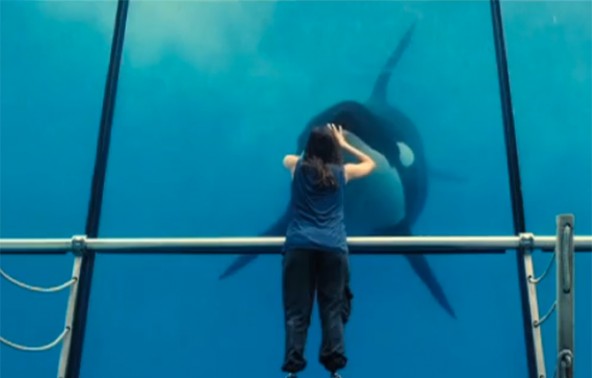
RUST AND BONE follows Stéphanie (Cotillard), a whale trainer whose career is ended and life change irrevocably by a sudden and terrible accident. Her slow recovery is given a boost by single father and bare-knuckle fighter Alain (Matthias Schoenaerts) with whom she forms a strong friendship and whirlwind romance. Alain has his own problems with raising a young son and making enough money to make ends meet, and both lost souls end up helping each other to live life to the full again.

Stéphanie’s accident that ends both her career and enjoyment of life in Rust and Bone is harrowing, but never gratuitous or exploitative, Cotillard’s character arc is convincing and the difficult issues are handled sensitively by writer-director Jacques Audiard. I’ve yet to see Audiard’s much-acclaimed A PROPHET, but after seeing the vitality and humanity he brings to play in this film, I’ll make sure to seek it out.

The story centres on  Stéphanie’s woes to begin with, then shifts focus to the issues that are ruining Alain’s life at about the film’s halfway mark. Both lead characters’ journeys are compelling in their own right, and could have sustained a film by themselves, but they provide interesting contrasts and change in pace, energy and emotional/thematic focus. No sooner are we celebrating Stéphanie regaining purpose in her day-to-day then we crash back to Earth as Alain hits absolute rock-bottom. The story is punctuated and enlivened by short, sharp shocks, and then we are allowed to explore the consequences of these events for everyone involved in meticulous, uncomfortable detail. Both leads are phenomenal, changing not only their appearance and behaviour, but as their characters go through hard times, they seem to change their very essence as well.

It would be very easy to turn the film into a pity story for either character, but the filmmakers and performers are far too clever for that. This isn’t an awards-bait feature about “issues” for the sake of having something to talk about. Stephanie and Alain both lead difficult lives, they both have some serious issues to confront, but they both demonstrate the considerable inner strength and resolve to get over these issues and eventually to move on. They help each other in their own way, but they aren’t the reason that the other character manages to make it out of their pit of despair, that’s down to them alone. It’s often not an easy watch, but in the end it’s inspiring, beautiful stuff.

TWO DAYS, ONE NIGHT (2014)

Sandra (Cotillard) can’t bare to just “start again”, a feeling far too many will have experienced in recent years of worldwide economic and employment crisis. There are few things more stressful and frightening than having to start from scratch in a new and unfamiliar place of work, especially if you’ve been doing the same job for a long time, or like Sandra you have a young family to support and long-standing health problems.

The plot plays on the unpleasant reality that it’s easy to ask someone to give up their job on paper, but it’s far tougher to do it to their face. When Sandra is asked to give up her career in order to allow her co-workers to receive a bonus following her long-term sick leave, she resolved to go out and meet them one by one to change their mind, hoping that they won’t be so callous in their decision if she’s looking them in the eye.

Very bravely, the Dardenne Brothers’ camera tends to hang back in medium-shot and all we are given to focus on is Cotillard’s performance, her reactions to her colleagues’ response to her request. The same goes for phone calls, where we only ever hear Sandra’s side of the conversation. It’s raw, it’s honest and it’s pure, and it more-or-less entirely hinges on Cotillard conveying the tangle of emotions Sandra is experiencing at any given moment. Cotillard’s entire physicality is different to her default of effortless European elegance – she’s gaunt, slouched and disheveled, her eyes overflowing with pain.

Occasionally, the film’s static, passive camera heightens the emotion of a scene with the addition of a simple but effective movement. When Sandra is trying to convince guilt-ridden colleague Timur (Timur Magomedgadzhiev) to vote in her favour, rather than framing both characters in a two-shot, the camera fluidly pans between the two to take in their responses to the other’s words in isolation.

Everyone in the film has problems, and none of Sandra’s colleagues are demonised as such for their refusal to support her keeping her job. As one puts it, “I didn’t vote against you, I voted for my bonus”. We empathise with Sandra, but not at the expense of her co-workers, and this is a delicate balancing act to pull off.

Of course, getting her colleague’s vote is only half the battle for Sandra, as she angrily puts it to her husband Manu (Fabrizio Rongione), she forced those who have agreed to help pity her, and even if she does end up keeping her job she’ll always have the torment of the way they look at her to live with every day.

It’s such a relief when Sandra finally smiles, smiles at the ridiculousness of Manu “protecting her” from, of all things, depressing songs on the radio. There’s no getting around the fact that overall TWO DAYS, ONE NIGHT is a heavy, miserable viewing experience, but when these small rays of hope occasionally shine through, you realise things, both in the film and in life itself can only get better. SSP

Posted in Film, Film Review | Tagged , , , , , , , , , , , , , , , | Leave a comment

Review: The Imitation Game (2014)

the-imitation-game

Much like its subject, THE IMITATION GAME has spent many years in obscurity, an unloved script waiting for someone to take a chance on a story about the secretly gay genius who was instrumental in helping bring World War II to a speedier resolution. Now the project has finally come to fruition, you can see that it’s too subtle a beast to be considered mere awards bait, likely as it is to receive recognition.

With the escalation of WWII, the British government recruited a number of the country’s most talented codebreakers, the most brilliant of which was renowned mathematician Alan Turing (Benedict Cumberbatch), who guides the team and facilitates their attempts to break the Nazis’ infamous and tactically devastating Enigma Code. Turing and his compatriots are in a race against time, not only to thwart the Nazis and prevent further Allies losses, but also to prove their perhaps foolhardy endeavor is a worthwhile use of valuable wartime resources. All the while, Turing hides a secret that may well come out one day and make all that he did for so many mean very little.

From his first appearance in the film, you’d be forgiven for thinking Cumberbatch was simply reprising his SHERLOCK role with a different haircut. All the reviews will be saying some variation of this. Like Holmes, Turing is standoffish, cold and calculating and wants you to know he’s the most intelligent man in the room by quite a margin. He’s also the second great character this year after Drax in GUARDIANS OF THE GALAXY to take everything hilariously literally. But as we spend time with him we come to realise he’s a rather fragile and soulful creature, and in many ways becomes far more endearing and empathetic than a certain Mr Holmes. Cumberbatch gives us his finest and most complex performance to date, affecting clipped vowels, nervy physicality and  a convincing and never comical slight stammer.

The majority of the supporting cast are of the highest level. Knightley proudly and strikingly plays a woman implied to be one of the few people to be almost on par with Turing’s brilliance. You couldn’t get a pair who look more at home in a 1940s setting than Knightley and Matthew Goode, and both bring very different shades of British wartime stubbornness and resilience. Charles Dance and Mark Strong stand in for, respectively, the old guard of the Royal Navy who believe they’re pulling the strings of Turing’s experiments, and the newly-formed MI6, who are the ones actually in control. Dance has one of the best and funniest scenes in the film, Turing’s job interview at Bletchley Park which sees his Commander Denniston get increasingly furious at his interviewee’s plethora of personality quirks.

What really makes The Imitation Game is the script. It’s meticulously laid out, precise and economical, and moves as smoothly and cleanly as one of Turing’s machines. It really allows you to see WWII from another angle, and doesn’t shy from difficult moral questions and scenes of immense brutality despite depicting next-to-no actual battles. As we approach the conclusion of the wartime-set portion of the story, and our heroes’ victory seems assured, any cause for celebration is short-lived as we are presented with the ultimate Catch-22.

The film is still unexpectedly funny, with witty asides, memorable one-liners and even a pretty explicit oral sex joke that comes out of absolutely nowhere. It would be very easy to tell a story like this in a stony-faced, portent-heavy manner, but director Morten Tyldum and writer Graham Moore strike a far more satisfying balance of tones. You of course get a final act full of pathos, but in contrast there’s a sequence early on that demonstrates perfect comic timing that involves Turing writing to Winston Churchill for support and receiving an unexpected response on the other side of an edit. I probably should have expected this bizarre mix of comedy and incredible darkness from a director who made escaping from an assassin by crawling through a river of excrement so funny in HEADHUNTERS.

The devil, as always, is in the details. From the costumes, hairstyles and the way people hold themselves to the locations, set dressing and even something as simple as children lining a street in colourful gasmasks (some bright spark really did apparently think painting them bright would make them less frightening for little ones to wear). Contemporary actors can tend to look out of place in a period setting, but pleasingly here everyone looks and sounds like they’ve literally stepped out of a time warp.

It’s not the perfect film though. There’s a really clumsy and unnecessary bit of exposition in an early scene (I haven’t seen a newspaper seller telling the audience what’s going on for a while) and there’s probably one too many characters who seem OK with Turing’s sexual preferences for the time period. There’s also some appalling accent work in the Manchester-set scenes, and the actors seem to have been instructed to do a generic GAME OF THRONES Northern rather than attempt anything close to a Lancashire dialect. For the first time I’m aware of, the usually great Rory Kinnear seems a bit of a weak link as the police officer in charge of the investigation into Turing’s past in the early 1950s.

We must also of course address the elephant in the room, the aspect of the film receiving the most criticism in the press. Does it give enough screentime and thought to Alan Turing being a gay man? It’s certainly debatable. His strongest relationship in the film is with a woman, Knightley’s Joan Clarke, after all, but it’s always a purely platonic relationship, and you often suspect Turing finds her presence more comforting because she’s the closest thing he has to an intellectual equal. It would have been nice to see another of Turing’s homosexual relationships in adulthood represented, or even a mere crush he developed at some point, as the only one the story acknowledges is the young Turing’s (Alex Lawther) infatuation with a boy at school. Without any qualifiers in adulthood other than Cumberbatch occasionally breathily whispering “I’m a homosexual”, it can come across that Alan forgets his sexual preferences scene-to-scene. We see a heterosexual romance begin to bloom after all, as Goode’s Hugh flirts with one of Joan’s friends (Tuppence Middleton) across a crowded pub whilst providing a running commentary of the etiquette of “making your move”. Perhaps this was, as many suspect, an element in the script that was toned down for the sake of the film’s worldwide marketability.

Despite one of the key aspects that made him who he was pushed to the background, and the odd minor stumble, The Imitation Game does Alan Turing’s achievements justice, if not quite the man himself. It also marks a really promising future for director Morten Tyldum and writer Graham Moore. Not a lot more can be said about the brutality of WWII on the front line, at least post-SAVING PRIVATE RYAN, but The Imitation Game emphasises how horrible those working behind the scenes for the war effort could be. Even if it doesn’t get the top awards in the new year (like they really matter) Cumberbatch’s layered performance and the quality of the writing should make this a film that will continue to resonate down the years. It’s as good an apology for what the British government did to Turing as he’s ever going to get, and yes, that includes Queen Elizabeth’s insultingly belated “we’re sorry”. SSP

Posted in Film, Film Review | Tagged , , , , , , , , , , , , , , , , , , , , , | Leave a comment

Review: The Selfish Giant (2013)

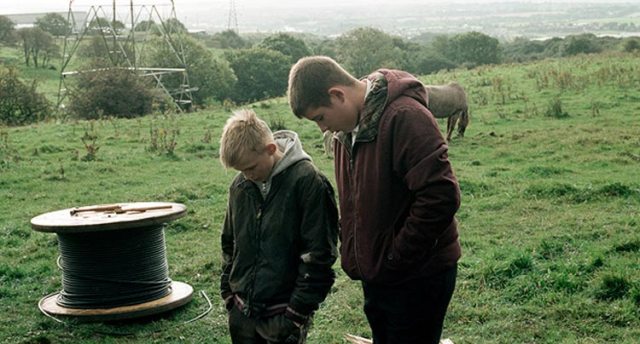
the-selfish-giant-movie

The Selfish Giant (2013): BFI/Film4/Moonspun Films

THE SELFISH GIANT feels like a wonderful amalgamation of OLIVER TWIST and STAND BY ME transposed to the rougher end of Bradford, West Yorkshire. It’s a social realist fable that deals with real-world hardship in a punchy manner, but always retains a genuine human warmth and a distinctive, still beauty in its visuals.

Our heroes are two working-class pre-teen friends, the diminutive, volatile Arbor (Connor Chapman) and the towering, soft soul Swifty (Shaun Thomas). The kids spend their days skipping school and collecting scrap in the hope of a quick cash fix. They work out of necessity for a manipulative and shady dealer, Kitten (Sean Gilder) and over time their friendship is tested, as is their (relative) innocence as children as Arbor takes steadily bigger risks in how he obtains his precious metal, be it discarded or stolen, and Swifty becomes involved in Kitten’s high-stakes bets on illegal horse-and-cart races.

On the Stand By Me end of things, you have close friends whose lives are transformed and childhood prematurely ended by traumatic events, all contained within bleak, yet oddly pretty vistas. On the Oliver Twist end of the scale you have a small-time crook with a big personality complex making a living through a young workforce under his spell, and a very Dickensian feeling sympathetic portrait of the working-class poor and impoverished.

The film should have appeal across the board, being an extremely well-told and intimate character piece that discusses universal themes of class and wealth, friendship and morality, but it will strike a particular chord with Bradfordians, who should recognise the locations, the kinds of people and their general outlook on life. Even if you don’t have an Arbor or Swifty in your life, you’ll have doubtless met or seen numerous kids like them, and for the sake of your soul you’d have empathised with them even if you didn’t quite understand their worldview. Those of certain political persuasions might disagree, but for the more liberal-minded, you can’t just ask that children like Arbor and Swifty, their parents and their extended family just buck up their ideas and try harder to improve their lives. For many it’s not that simple, and most of us have no idea how tough their lives are, the difficulties they face, and they need the very foundations of society to change before they can.

Both of the young leads have great chemistry, are incredibly natural, and should go far if they choose to continue acting. The fully-grown actors are no less impressive – Sean Gilder is appropriately sinister without ever becoming a pantomime villain, and Steve Evets and Siobhan Finneran’s performances are fully-rounded and full of pathos as Swifty’s parents.

Clio Barnard, The Selfish Giant’s incredibly talented writer-director who was also behind THE ARBOR, the odd sort-of documentary telling Bradford playwright Andrea Dunbar’s story, is absolutely a force to be reckoned with. She’s perceptive and non-judgmental, and has a real eye for bringing relevant social problems to light without being patronising or militant. She has a touch of Ken Loach here, a dash of Shane Meadows there, and will surely be one of the key figures in British independent filmmaking for the foreseeable future. Like Meadows, she makes films that are clearly products of their environment, firmly grounded in a distinctive and recognisable time and place and concerning distinctive British subcultures. For Meadows it’s usually the Midlands of the not-too-distant past, for Barnard it’s West Yorkshire of the here and now. I’m pretty convinced that only someone born in Bradford and who knew, and was one of, the people, could successfully bring this story to the screen.

Some might view The Selfish Giant as a little downbeat, but I don’t see it that way. Arbor and Swifty’s life is hard, sure, and they face real trauma and heartbreak far younger than they have to, but in the end it’s a film full of positive messages – the importance of a strong friendship, a bad life can always get better, and there are positives to be found in all situations. Despite the pain, the film remains a beautiful and moving experience, the early morning light over the city and the mist-shrouded power pylons that dominate open fields match this moralistic, old-timey story that just happens to take place today. It’s an 80s-style kitchen sink drama, but it’s one that isn’t dominated by emotional gut-punches or presenting gritty realism. It’s the real world, the real experience of some real people, but presented in a dreamlike, almost folklorish package that heightens the reality Clio Barnard is presenting us. SSP

Posted in Film, Film Review | Tagged , , , , , , , , , , , , , | 3 Comments

Review: Begin Again (2013)

04LOGANHILL1-master675

There’s a scene early on in BEGIN AGAIN where Mark Ruffalo’s ramshackle record producer Dan shows obvious physical pain at listening to the bilge that are the demo tapes he is sent as he is stuck in busy city traffic that, as well as being a pretty amusing sight, it also sets out the aims and tone of the film from the start. In short, the music industry isn’t going to get off lightly here.

Dan Mulligan (Mark Ruffalo) is going through a rough patch. His independent record label could be doing better, the acts they do manage to sign are uninspiring, and he faces a mountain of personal and professional problems that send him on a downward spiral. By chance, he comes across Gretta (Keira Knightley) who reluctantly performs at an open mic night in a backstreet bar, and Dan sees instant potential. Gretta of course has issues to face as well, mostly linked to her relationship with superstar musician Dave Kohl (Adam Levine) and just wanting to produce an album of good music might not be enough in a world where the music industry has become so shallow and materialistic.

The film feels grounded in a very real version of New York City, much like John Carney’s previous sort-of musical ONCE had its feet firmly planted in a very real Dublin. Filmed on location, it avoids the picturesque, touristy parts of NYC and sticks to the kinds of places everyday people would actually go. Sometimes when a filmmaker tries to evoke a location, it’s not exactly what you see but what you feel, the essence or spirit of a place that really sells it, and Begin Again manages that particularly well with all its back alleys, dingy bars and trips on a packed subway line. Naturalistic cinematography and performances also help to complete the package. Knightley really sounds like a Brit abroad uncertain of where her life is heading, and Ruffalo sounds like a NYC native down on his life and luck.

Though  similar in its themes and character archetypes to Once, story-wise Begin Again is a spiritual sequel, a narrative leap forward and a logical next step in the lives of characters like the Guy and the Girl in Once. From Once’s small-scale, idealistic dreams of doing what you enjoy and being able to express yourself artistically every day of your life we move to Dan and Gretta’s story which focusses on the ups and downs (mostly downs) of the music industry itself, as well as how being a part of it can affect yourself and your loved ones (Knightley’s romance with another, more successful musician and Ruffalo’s relationship with his ex-wife and daughter as played by Catherine Keener and Hailee Steinfeld).

Again, much like Once, the story offers a sweet, subtle romance rather than a big throbbing passionate melodrama. Begin Again becomes much more about the consequences of love than the perks of it, and it’s a less essential theme to the plot than, say, greed, capitalism, or even just having fun. Yes, we delve into how Gretta’s relationship with Dave influences her attitude to her life and career, but it’s sidelined pretty quickly along with Dan’s dysfunctional family dynamic (Keener in particular seems under-served) in favor of really laying into the less-than-moral workings of the music business.

Ruffalo’s Dan once had drive and ambition, a fire in his belly, but he’s been steadily ground down by the realities of his art, bu the cutthroat business he chooses to be part of, until he’s all-but lost hope for himself and respect for anything anyone does. Knightley’s Gretta begins to restore Dan’s hope, and gives him something to aim for again, just as he represents her only real chance of her talent being noticed by the world.

There are some nice character touches, and plenty of acknowledgements of how the cogs of contemporary society move – good music should be, but isn’t, more about how people sound than how they look, there are way too many polished teen stars dominating music, you really would look up a random scruffy guy claiming to be a record producer on Wikipedia.

I’ll be up-front and admit that I haven’t always been a Keira Knightley fan. A decade back when she was first coming to prominence, I really didn’t see what the big deal was. But over the last few years she’s made some really interesting choices in her roles and how she plays them, and has well-and-truly grown as an actor, to the extent that I now always find her effortlessly charming and empathetic. Ruffalo is undoubtedly one of my favourite actors working today, and no-one plays troubled, mysterious and sexy loners quite like him. It’s more apparent than ever that both leads can do comedy really well. They’re both  natural, relatable and self-deprecating in their humour, and Carney’s script is fully aware of the  clichés often found in movies like this, and he has fun mocking them: “We’re gonna need musicians, eternally miserably bored musicians”; “We’ll record outside”, “What if it starts raining?”.

The music isn’t as pure and raw as the folky brilliance of the soundtrack to Once (perhaps due to the absence of the notable talents of Glen Hansard and Markéta Irglová), but it’s still pretty good for pop music. For me it just doesn’t pack the same punch on an emotional level, no matter how well Knightley is performing. I particularly found Adam Levine’s tracks grating, though this might be the point as his character is supposed to be a first-class toolbox. Keira has a nice voice, and it’s certainly not a case of “don’t give up the day job luv”, but it’s not show-offy or overly polished, either. You can completely buy her as a musician with talent, but who the music industry’s money men find it difficult to categorise, and even more difficult to market.

The film features one of the warmest, funniest montages I’ve seen in a while – Dan and Gretta sing along to their guilty pleasure playlists on their iPods in the middle of a busy street, then in a packed club, then on the subway. Consumer warning: this scene will make you want to buy a double headphone adapter!

I’m not sure if the non-chronological telling of the tale for roughly half the film really adds anything to the finished product, as there’s very little to gain at that stage from withholding information about the characters, plus it seems more like an afterthought than something that was planned from the start of scripting/

The film’s songs could be more memorable, and there are a couple on missteps along the way, but Begin Again is certainly worth a look for its easy-going energy and how succinctly it sums up what is wrong with the contemporary music business. Yes, great songs can lose something once they’re turned into “stadium pop” anthems (hint hint Maroon 5) and music bigwigs really can’t justify the amount they make off of any promising new and upcoming artists. I do kind of want to see the mooted “Paris Tapes” or “Prague Sessions” just to spend a little more time with these characters, even if their stories are tied up pretty satisfyingly here. SSP


Posted in Film, Film Review, Music | Tagged , , , , , , , , , , , , , , , , , , | Leave a comment