
I love JURASSIC PARK. It will always hold a very special place in my heart. It was the first film I saw on the big screen, and I saw it at the age that I, like so many other children, was obsessed by dinosaurs. It was a joy to see it twice more at the cinema when it was re-released in digital print in 2011 and the less impressive 3D version reared its head in 2013. I enjoyed elements of JURASSIC WORLD, but by no means all of it. It functions as a big summer movie and there are moments of brilliance, but somewhere along the way the magic has dissipated.
Third time lucky, and Jurassic Park has successfully opened. The arrival of brothers Gray and Zach (Ty Simpkins and Nick Robinson) at Jurassic World coincides with the theme park’s first major incident. The InGen scientists have been gene-splicing to maintain the public’s appetite for coming to see dinosaurs, and have created a monster, dubbed the “Indominus Rex”. When the Indominus breaks free to go on a rampage, and with her nephews lost somewhere in the chaos, park executive Claire (Bryce Dallas Howard) and Navy-trained Velociraptor-whisperer Owen (Chris Pratt) set out to find the boys and get out alive.
The new dinosaur is great. The Indominus Rex is well-designed and well-executed, and thematically speaking, as a confused and aggressive product of genetic engineering, it works. There’s a twist linked to its genetic makeup that can be seen a mile off, but again, from a story point of view, it works. All its scenes are worth the price of admission, particularly the final clash to restore balance to an upset ecosystem. When the Indominus isn’t on screen, however, things are decidedly less engaging. We see a dino petting zoo, and that’s just undignified treatment of these remarkable creatures, it somewhat removes any majesty or wonder dinosaurs might inspire when we see a child riding around on a little Triceratops.
Bryce Dallas Howard is really good as Claire, who really functions as more of a hero than Chris Pratt’s action man Owen. At least she gets some development. Claire is a career woman through-and-through, and has become emotionally detached to everyone close to her as a result. Howard makes her tough but human, and excels at bringing out little humourous touches to give the character a further dimension, from rehearsing the names of her stockholders using rather insulting word association on her way to a meeting, to scrambling aimlessly for the ages of her nephews, to her slight adaptation of her business suit to make it suitable for a jungle trek.
Chris Pratt sadly coasts, just about selling the ridiculous premise of training Velociraptors, but bringing little charm to a pretty unlikeable character who just happens to have the right skills for what is required. Our main human villain is a lump working for a private outfit played by Vincent D’Onofrio, who clearly had his mind elsewhere (probably on DAREDEVIL). The only returning presence from Spielberg’s films is Dr Wu (BD Wong) who becomes exactly what we expect that particular character archetype to, but otherwise doesn’t do a lot. The kid characters aren’t annoying as such, but they’re simplistically reduced to a single character trait each – Gray remembers facts, Zach is a horny teenager.
It’s dumfoundingly rare now to see a major summer blockbuster clock in around the 2 hour mark. Jurassic World also stands out by not having its final act be entirely composed of action. The set pieces are big, but not oppressively so, and are well dispersed throughout the movie. The overall plot has a disjointed beginning, with setup scenes only feeling roughly stitched together, and things don’t really gain much traction until the Indominus starts causing trouble.
Appropriately Michael Giacchino, who has been the new John Williams for several years now, samples Williams’ original Jurassic Park score for key scenes. The only problem is he chooses to use the wrong elements of Williams’ score for these moments. The intimate end credits music for the first big reveal of Jurassic World? The epic “There it is!” music for an unremarkable scene traveling from one part of the island to another? Try again.
As the late great Robert Muldoon (the late great Bob Peck) said: “How many times? We need locking mechanisms on the vehicle doors!” Jurassic Park design teams have shown themselves to be extraordinarily thick, and here in the fully-functioning Jurassic World, we have “gyrospheres” that can seemingly roam anywhere the occupants like (shatter-proof or not, they’re just asking to be stepped on by an Apatosaurus!). There was a reason the jeeps in Jurassic Park were on rails, door locks or not. Something else stupid I noticed – why is InGen still called InGen? After two major incidents directly caused by the company and a related screw-up, surely you’d re-brand?
As a side note, I’m sure no offense was meant, but for anyone living in the UK the writers have chosen a very unfortunate abbreviation for Pachycephalosaurus in one throwaway scene.
In many ways I respect director Colin Trevorrow and his writing team for not resorting to too many nods to the original films (there are some) and actually moving the story forward. But if you’re not going to overtly reference what’s come before and get nostalgia points, you have to come up with something better, and sadly they don’t. There’s some nice action beats and a couple of decent gags (notably one that subverts one particularly tired trope), but Howard aside the performances aren’t up to scratch and most of it isn’t that memorable. It’s good to see unique talent like Colin Trevorrow getting such plumb gigs, but hopefully his next project hits harder and the next Jurassic film is more lasting. SSP





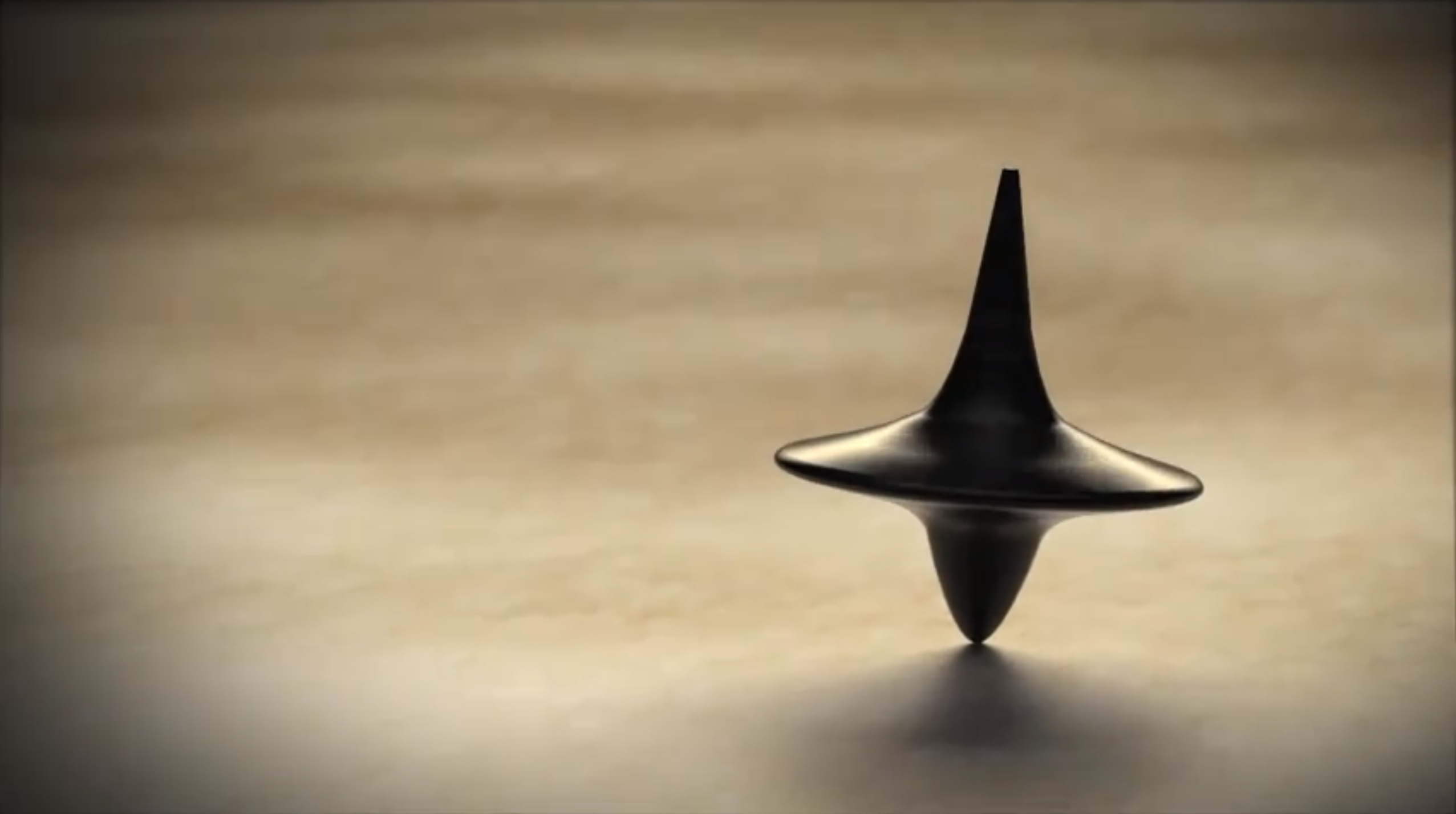
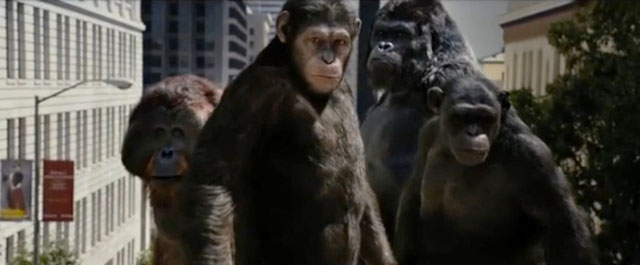

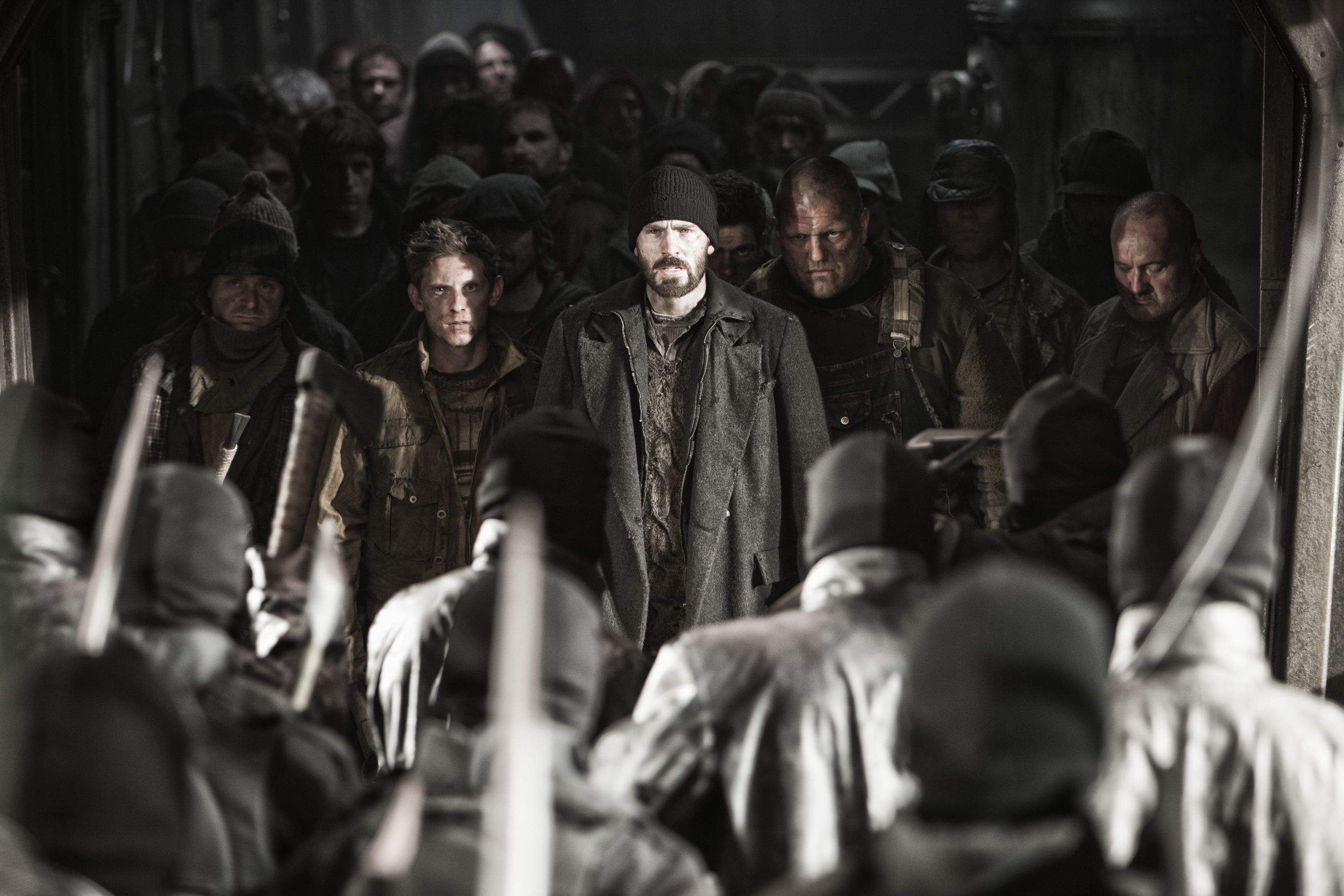


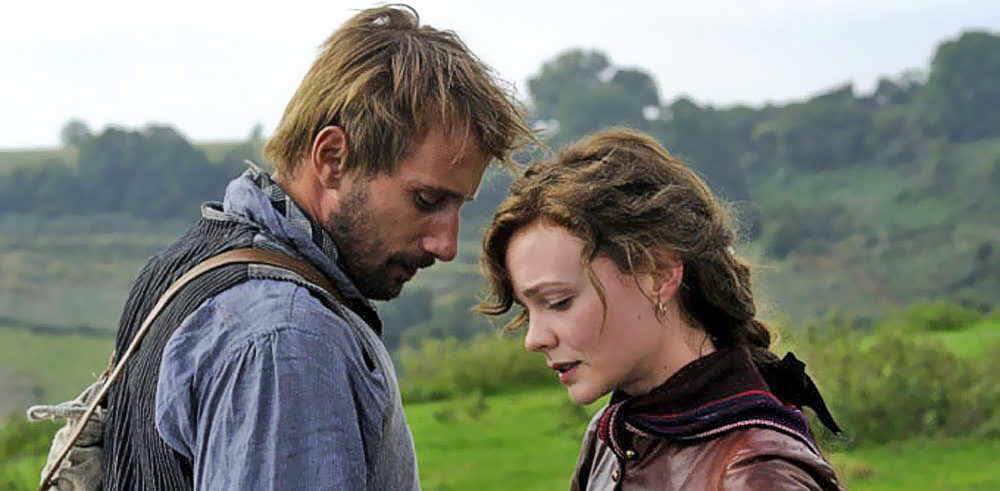


“The hour grows late…” (RIP Sir Christopher Lee)
Well today has been a sad one for film fans. Mere hours after news broke that the portrayer of Fagin Ron Moody had died at the age of 91, it was announced that Christopher Lee had also passed away at the weekend. The word “legend” is attached to many people these days, but Lee was one of the few fully deserving of that description. A man who led a life before show businesses almost as interesting as the film career that followed (he was basically James Bond), Lee was a giant of the industry and a master of his art.
DRACULA, THE WICKER MAN, THE MAN WITH THE GOLDEN GUN, LORD OF THE RINGS, STAR WARS, and so on. Lee was a film icon who brought to life (or afterlife) some of the most memorable characters – notably villains – in the history of film. The first half of his monumental career boasted an iconic Count, a low-key creepy Lord Summerisle and an entertainingly warped mirror image of James Bond in Scaramanga. In his later years he became equally beloved and detested by a new generation as Saruman and Count Dooku in The Lord of the Rings and Star Wars Episodes II and III respectively, and in both franchises he have weight to reams of complex fantasy exposition and turned booming out silly names with a straight face into an art form. His career spanned such a long time and he was such a prolific performer that everyone, no matter their age, will remember him for at least one role.
Much like his contemporary Vincent Price his career could have been a non-starter because of his imposing height, but again like his American counterpart Lee turned his physical attributes to his distinct advantage and was always a memorable presence onscreen even in smaller roles in the likes of GREMLINS 2 and most of Tim Burton’s films over the last decade.
For many, he is the once and future Dracula, or else the monstrous foil to real-life best friend Peter Cushing’s well-spoken heroes in a number of other Hammer productions. For me, because I’m in my mid-twenties, Lee will always be Saruman. He may have really wanted to play Gandalf (he would have been far too harsh) but he was perfect casting as the fallen white wizard, and Peter Jackson surely found it a great help to have a Tolkien expert (he read LOTR annually) on set to check out any doubts on Middle-Earth lore or Elvish pronunciation. One of the most touching, amusing moments from Jackson’s mountain of behind-the-scenes footage is the crew being equally fascinated and frustrated by Lee telling yet another remarkable but long-winded anecdote as they try to reset a scene in pickups for THE HOBBIT.
It’s a tired phrase, but you can’t say the man didn’t have a good innings. To lead such an interesting and varied life, and to carry on working right until your time to shuffle off this mortal coil is truly enviable. We’ve lost an icon of cinema this week, but he leaves behind a frankly ridiculous body of work to trawl through (including the odd heavy metal album); a thoroughly worthwhile endeavor if you have the time, or plan on living for as long as the now late great Christopher Lee. SSP