THE SESSIONS may well be one of the most honest and unabashed discussions of sex and disability on film.
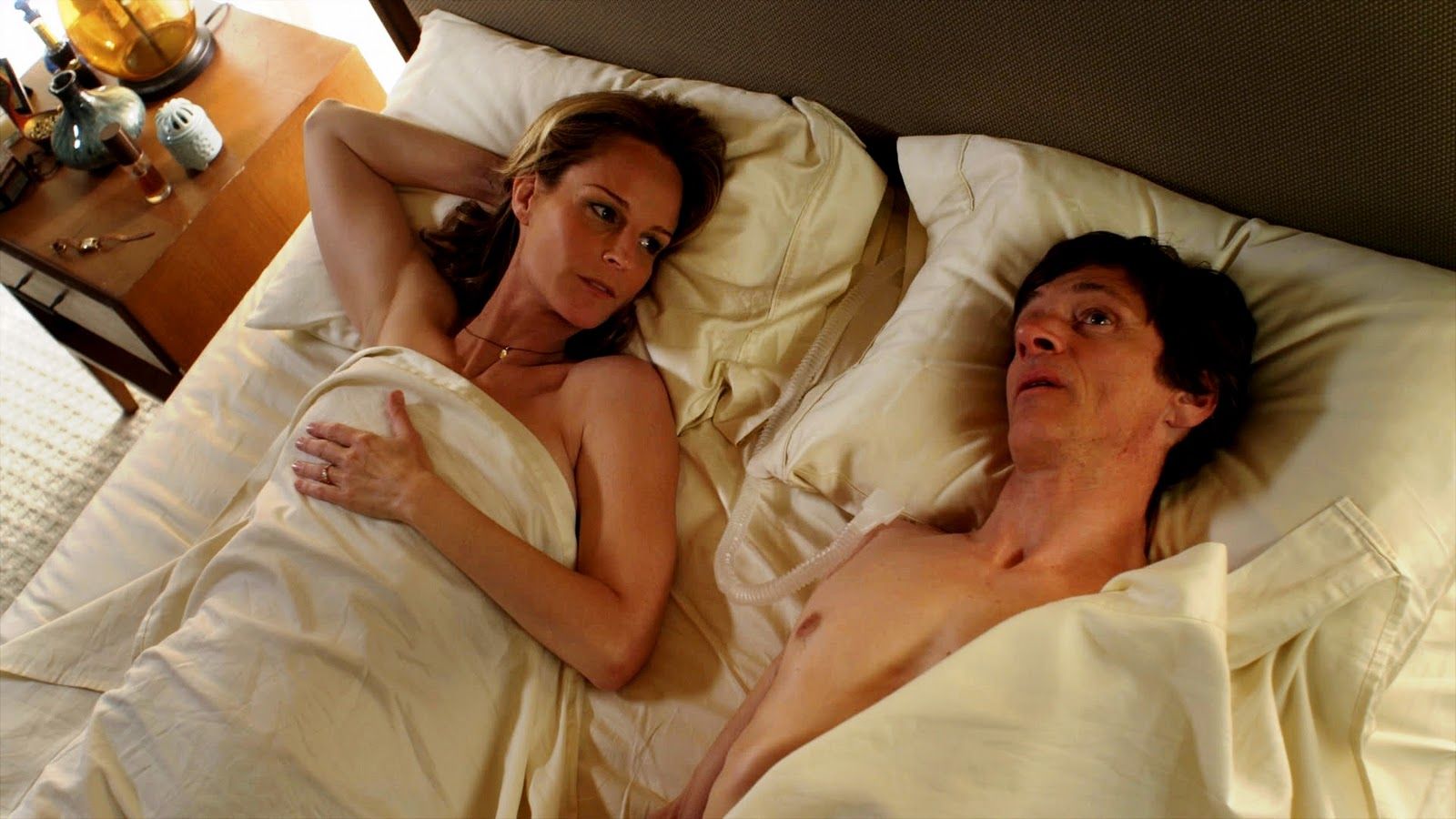
John Hawkes gives a remarkable performance as the real-life severely disabled journalist and poet Mark O’Brien, who having lead a miraculous and remarkable, yet unfulfilling life following his debilitation from polio as a child, seeks to finally lose his virginity with the help of sex therapist Cheryl (a nuanced Helen Hunt). Hawkes makes Mark incredibly likeable; with an intelligent, articulate and witty nature confined to a body with both emotional and physical limitations. Hunt brings across the challenges and complexities involved in a career as a sex surrogate; the difficulty of remaining detached, yet human enough to make a connection with her patients. Clearly, Mark would traditionally be a subject of pity, a near-hopeless case, but instead she seems to see him as just another patient, if a challenging (and fascinating) one. She deservedly received an Oscar nomination in 2013, though why the second-billed performer in a film was nominated in the Supporting Actress category is beyond me. Needless to say, Hawkes should also have been nominated.
Strong support for the two leads comes in the form of Moon Bloodgood, unrecognisable as Mark’s kindly and no-nonsense carer Vera, but perhaps the weak link in the cast is William H. Macy, who coasts in his role as Father Brendan, an easy-going priest who dutifully listens to the graphic descriptions of Mark’s latest sexual therapy sessions. Macy isn’t bad as such, he just doesn’t really make an impact, and he could probably have performed this role in his sleep.
The tone of the script thankfully never feels patronising, and never makes you feel like what you are watching – a disabled man’s sexual exploration – is somehow unsavoury or unpalatable. After Mark and Cheryl’s first encounter, you hardly notice the sexuality of the scenes, and their characters always shine through. Having the disabled writer-director Ben Lewin, who himself suffered from polio as a child, at the helm has seemingly proved invaluable. Lewin isn’t interested in spectacle, or saying anything particularly shocking, he’s simply saying, quite rightly, that disabled people have sex lives too! If that makes a viewer uncomfortable, then it’s their issue.
The Sessions makes a connection because you’re given time to get to know the characters of Mark and Cheryl. Every scene advances their relationship, how they view themselves, or how others see them in one way or another. It’s a human, spiritual film. One of the recurring themes is the role of religion in our lives – Mark, a devout Catholic wonders if his physical condition is a punishment from God, Father Brendan gives Mark “God’s permission” to seek sex out of wedlock due to his unfortunate circumstances, and Cheryl converts to Judaism towards the end of the film out of love for her husband. Religion is always present in The Sessions, but it’s not an essential part of enjoying the film – it’s a story built on humanity, spirituality, rather than religious belief. There’s a scene later in the film when Mark has a near-death experience, and after coming round in hospital jokes with a volunteer nurse that he could never not be religious because he “would find it intolerable not to be able to blame someone for all this”. Faith is an essential part of Mark’s life, and despite his unfortunate situation, he still looks on the bright side, that he is still alive, and that is one of the most positive messages a film about disability can deliver.
The Sessions is a uplifting, inspirational comedy-drama that is warm, funny and sometimes quite rude, but never to the extent that it becomes distasteful. It wittily re-tells a remarkable true story (with inevitable film embellishments), and both Hawkes and Hunt give the performances of their lives. An entire other film could (and still can) be made about Mark O’Brien’s advocacy for the disabled, particularly his championing of disabled writers, but the focus of The Sessions quite rightly remained “Mark O’Brien: The Man” rather than “Mark O’Brien: The Symbol”. Equal parts frank, unashamed and romantic, The Sessions is a delight. SSP



 SSP Thinks Film
Ooo, you big tease, Ultron!
Well the teaser trailer for THE AVENGERS: AGE OF ULTRON that many saw at Comic Con this year has finally landed in shiny HD online. Obviously, it’s just a teaser, and nothing (as far as we know) has actually been shot for the 2015 film yet. It just features voiceovers from the last film and a little animation, but that in itself is interesting, implying the direction the final film might be heading.
In the Marvel comics, Hank Pym a.k.a. Ant-Man created Ultron (to be played by James Spader), but Edgar Wright’s ANT-MAN is due to be released two months after Age of Ultron, and everyone involved is insisting that he won’t be playing a part in Joss Whedon’s super-ensemble sequel. So, the big question is, in the Whedonverse, who makes the big metal baddie?
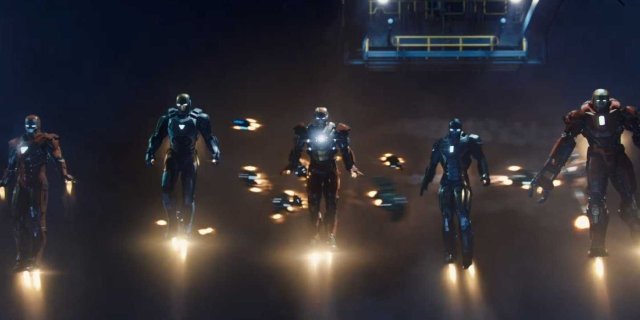
It’s long been rumoured that the most likely candidate is Tony Stark (Robert Downey Jr) and the above teaser seems to confirm that, what with Iron Man’s helmet breaking down and morphing into Ultron’s head. This makes narrative and thematic sense – after IRON MAN 3 appeared to imply Stark was semi-retiring from the superhero business, maybe he makes Ultron to do his job for him. Of course, this also gives us the ever-reliable Frankenstein-esque arc of “I created this evil, so I must stop it” which will add real dramatic weight to the events on screen (and perhaps force Mr Stark to suit up again).
Not much more to say, really – it’s just the initial teaser after all. Less than two years to go… SSP