
Review: Captain Phillips (2013)

CaptainPhillips_093013_1600

I’d heard great things, and expected something remarkable from CAPTAIN PHILLIPS. It’s not remarkable, it’s just decent. It’s solidly constructed, well performed, and has Paul Greengrass’ usual aesthetic of a beleaguered former journalist.

The film is based on Captain Richard Phillips’ account of the hijack of his merchant vessel, his capture by Somali pirates and subsequent rescue by US Navy SEALs in 2009. The film depicts the ship setting sail on a routine voyage to Kenya, before a small band of pirates manage to board and hold Captain Phillips (Tom Hanks) and his crew hostage to demand a massive ransom. When the pirates, led by Muse (Barkhad Abdi) lose control of the ship’s technical systems, the crew attempt to retaliate, but the Pirates escape with Phillips as their captive, and a logistically challenging Navy rescue operation begins.

It’s the performances that marks the film out. Tom Hanks isn’t exactly out of his comfort zone playing an All-American Boy overcoming adversity, but he makes his mark as Phillips is slowly but surely broken, particularly when his ordeal is over and it all sinks in with heartbreaking impact. Unfortunately for Hanks, he has to share the screen with an outstanding newcomer, and the Hollywood star just can’t compete. Barkhad Abdi, playing Muse, is mesmerising with his haunting stare and the kind of intensity and cunning that can only come from real-life hardship.

The film’s biggest flaw is the script. It’s a case of tell, don’t show, and it’s mildly irritating that Greengrass and his screenwriter Billy Ray feel the need to talk down to their audience. Everything is explained in ludicrous detail completely straight-faced – how the pirate gangs operate, the US Navy’s kidnapping and hostage negotiation procedure, what will happen when the technical systems on the MV Maersk Alabama fail. There’s also been great effort put into trying to balance the different factions’ motivations, but somehow it just comes across as sitting on the fence. I know they’re trying to humanise everyone, but it’s too much, and unusually for a Greengrass film, it slows the story to a halt and actually removes tension from what should be a heart-pounding thriller. Tension never left the BOURNE films, so why does it flitter away when recounting real, traumatic events?

Greengrass doesn’t quite have the fetish for the American military as Michael Bay does, but he’s not far off. Just look at how his camera fauns over the SEALS tooling up before their mission! I guess having a drone’s-eye view on events is a hard-hitting, relevant thing to include, particularly for an ex-journalist, but it still smacks of glorifying military hardware more than questioning the need for its use. In the end, of course, the SEALS did rescue Phillips and kill/capture the pirates, but I’m not convinced we’re getting the warts-and-all story of the operation – it can’t have gone that smoothly!

Captain Phillips does look good, and is very Greengrass-y in its committed docu-style, and it’s really impressive just how much can still be achieved practically in a CGI-dominated world. This team of filmmakers didn’t make it easy for themselves, that’s for sure.

Captain Phillips is technically impressive, I can’t fault the performances of Hanks and Abdi as the two opposing captains, and the finale has undeniable raw emotional clout, but the rest of the film is uninspiring. The screenplay never gives the plot room to breathe, nor does it allow the audience to unearth tension and drama by themselves, and overall it’s just too preoccupied with explaining everything in tedious detail. The script annoyingly veers from lifeless human rights debate to extremes of volume – when the characters aren’t defending/chastising America, they’re either bellowing or whispering to show how stressful their situation is. There’s never any middle ground, no subtlety. Mercifully, Barkhad Abdi can say so much with a subtle change of expression, so he clearly wasn’t limited by the weaknesses of the words on the page. I’ll repeat that Captain Phillips isn’t bad, not by any means. It’s competent, with hints of greatness, but what it certainly isn’t – fatally for a thriller – is thrilling. SSP

Posted in Film, Film Review | Tagged , , , , , , , , , | Leave a comment

Film Confessional #5: Ghost Rider: Spirit of Vengeance

ghost_rider_2_04

I have a confession to make…I like GHOST RIDER: SPIRIT OF VENGEANCE. No, it’s not up there with the best superhero movies by any means, but it’s certainly one of the most visually interesting ones, and has the welcome addition of the manic energy and general sense of mischief that CRANK directors Mark Neveldine and Brian Taylor bring to any project they’re part of.

The first GHOST RIDER, directed by the mostly untalented Mark Steven Johnson (though I’ll admit, I’m a DAREDEVIL defender) just didn’t work on any level. Tonally, it couldn’t decide whether to be super-serious and dark, or a jolly romp. You’ve got that quite distressing scene where Nicholas Cage’s Johnny Blaze burns from the inside out in a church as he transforms into his hellish alter-ego, and then you’ve got Blaze eating jelly beans out of a martini glass and giggling while watching silly videos with chimps in them. I know the best films have both light and shade, but this contrast in personality borders on schizophrenic. The effects haven’t aged well either, the sound mixing was always woolly, the love story with Eva Mendes’ Roxie wasn’t convincing and the baddies played by Wes Bentley and Peter Fonda were laughable. At least it had Sam Elliott doing an impressive impression of Sam Elliott.

I’m not going to beat about the bush, Spirit of Vengeance is a riot. Neveldine and Taylor have a lot of fun with the material, not compromising on the lead character’s essential darkness, but at the same time acknowledging that Ghost Rider is just a little bit silly. There’s a welcome current of humour running through the film, and it doesn’t feel forced like in Johnson’s. They also allow Cage to be at his very best, and that is to say full-on crazy (as you would be if you were fighting an inner war with a powerful demon!). He quips, he does crazy eyes, he pees fire, he’s fun!

I loved what the filmmakers did in visual terms. The character’s origins are recapped in a zippy, tongue-in-cheek graphic montage before we move on to the main event – a pretty tense and pacey chase movie with style to spare. Last time, Ghost Rider looked too clean and CG-ed. This time you really believe he’s a creature of damnation slowly burning up its host. The Rider’s biker leathers are melted and charred, the iconic flaming skull still has muscle residue, his bike is warped by intense heat, molten like it’s ridden straight out of a volcano. Ghost Rider looks awesome in this film. And he possesses a massive demolition vehicle and uses it to pound one of the bad guys into the ground.

Religious horror film character archetypes are a good fit for Ghost Rider’s world. There’s Satan (Ciaran Hinds), the Antichrist (Fergus Riordan), a warrior monk (Idris Elba) and an evil henchman with the power to drain lifeforce from his foes (Johnny Whitworth). The characters all have a real depraved colour to them, even Hinds who hams to within an inch of his life is entertaining as he becomes increasingly irritated at his mortal form slowly breaking down around him. I know Elba’s French accent is rubbish, but who cares in a film so entertainingly trashy?

It’s not high art, in fact it’s barely low art, but Ghost Rider: Spirit of Vengeance offers carnage, creative visuals and some great gags (the best of which incorporates a commonly-held rumour about Twinkies) resulting in a real guilty pleasure of a comic book movie. It’s not going to be everyone’s cup of tea (a lot will depend how much you like Grindhouse-style action/horror), and there’s probably still a better film about Ghost Rider to be made, but I can’t help but crack an evil smile at Nic Cage’s final outing as the Spirit of Vengeance. SSP

Posted in Film, Film Feature | Tagged , , , , , , , , , , , , , , , , , , | Leave a comment

Review: Jack the Giant Slayer (2013)

Jack-the-Giant-Slayer-nicholas-hoult

It really says something when the best thing in your movie is a scene where a giant picks his nose then wraps Ewan McGregor in pastry. It’s quite frankly mind-boggling why most of the decisions in Bryan Singer’s fantasy romp were made. What were they thinking?

JACK THE GIANT SLAYER is a reinterpretation of the classic fairytale. Peasant farmer Jack (Nicholas Hoult) is given some magic beans (in this version of the story, holy relics) by a monk, then has a chance encounter with a princess (Eleanor Tomlinson), her guards (lead by Ewan McGregor) and scheming royal advisor (Stanley Tucci) before the enchanted plot-driving pulses whisk them all off into the clouds to the mythical land of giants, where an old grudge threatens to reignite an ancient war.

So far, so promising for a kiddie’s fairytale revival. Unfortunately, the scenes in the land of men look like an even cheaper version of the BBC’s MERLIN, with a smidge of NARNIA thrown in, and the all-too-short sequence in the land of giants mostly rips of Guillermo del Toro for visual inspiration, and it’s not even a good rip-off, it’s a bad impersonation drained of all vitality.

Most of the actors look lost or bored. I’m sure Nicholas Hoult will have his day as a convincing Hollywood leading man, but his isn’t it. Ewan McGregor just falls back on his Obi-wan Kenobi voice and is out-acted by his hair gel (re-applied, of course, between scenes), Stanley Tucci does a seriously awful plummy English accent with rather insulting teeth to match, Ian McShane might as well be reading cue cards and Bill Nighy as the lead giant does Davy Jones again, but with a wobbly Northern Irish lilt. I’ve no idea whether Eleanor Tomlinson was any good as Princess Isabella, as she’s given so little to do she makes no impact whatsoever.

The action scenes are fine, and clearly used up all of the film’s budget (that can be the only excuse for how cheap every soldier’s armour looks), but aren’t the least bit original, or frequent enough to give the film any real life. There’s a lot of running and hiding, and hitting or stabbing giants with anything that’ll make a mark, and an uncreative siege battle at the end. Bryan Singer is a good director, and has proven he can both handle action and deconstruct characters in interesting ways when he’s really engaged with the material, so it’s clear he just didn’t care enough to give this film a much-needed spark. Perhaps it’s the film’s troubled production that caused him to lose interest, or maybe he was just dreaming of his return to the mutant fold. Whatever happened, his heart wasn’t in it. Even Singer’s less successful films (SUPERMAN RETURNS, VALKYRIE) are noble, well-meaning near-misses, all because he cared. He didn’t here, he can’t have.

As for the giants themselves, they look OK, but compared to the achievements in animatronics in a Guillermo del Toro film, or motion capture performance in a Peter Jackson film, they’re pretty uninspiring. Ten years ago they might have been impressive, as the focus-points for a fantasy movie, they’re a bit dull and sloppily designed in a world where we’ve been amazed by fauns and Gollum. Plus, Bill Nigh’s giant has a second head with learning difficulties attached to his shoulder – I don’t know whether it was meant to be funny, but it’s not, it’s just offensive.

Jack the Giant Slayer doesn’t work well on any level. It’s visually bland, feels rushed despite a delayed production process, and the acting and direction feel careless. Even the lowbrow humour that might redeem such a film as “so bad it’s good” falls flat. It’s a waste of the talents of everyone involved, and Bryan Singer is extremely lucky that the film is unmemorable enough to not put too much of a blot on his career. SSP

Posted in Film, Film Review | Tagged , , , , , , , , , , , , , , , | 1 Comment

“It’s hard for winners to do comedy…We attack the winners” (RIP Harold Ramis)

The world lost a comedy icon yesterday as Harold Ramis passed away aged 69 after a prolonged illness. Ramis was rightly loved and admired by his fans and fellows as a gifted comedy writer, director and performer, and leaves behind an impressively varied catalogue of chortle-inducing work spanning four decades.

A Marx Brothers fan from an early age, Ramis tried his hand at comedy plays in college before writing jokes for Playboy, then making the successful transition to TV and film along with fellow wild-card funnymen John Belushi, Bill Murray and Dan Aykroyd.

Ramis, as if anyone needs to be reminded, co-wrote anarchic frat comedy ANIMAL HOUSE and the ever-popular GHOSTBUSTERS and its sequel (as well as memorably self-casting himself as the titular supernatural pest control team’s straight man Egon Spengler) before taking the reigns on his own projects, often collaborating with close friend Bill Murray.

His finest hour came with the release of GROUNDHOG DAY, which remains one of the best time travel (or time loop) films ever made, discussing big philosophical concepts with wit, warmth and just a touch of cynicism (all expressed through Murray’s trademark deadpan performance style). The end product tellingly shows the Ramis/Murray professional-affectionate partnership at its strongest, despite the fact that disagreements over the story and its meaning ruined their friendship – it’s a real testament to their professionalism that they managed to produce the best film possible, even if their working relationship was tarnished by it.

Ramis again stepped behind the camera to direct several of the more memorable episodes of THE OFFICE, and was reportedly open to the long-gestating third Ghostbusters movie (naturally conditional on his fellow castmates’ involvement) and in that regard, I sincerely hope his tragic death finally puts the project to rest. Aykroyd was reluctant to launch into production when Murray expressed disdain , so I doubt he’d want to press on now one of the Ghostbusters, and one of his close friends, has died.

It’s common practice to mourn for what might have been when a real talent in the film world passes away, but surely we should instead be thankful for what was. Thankyou, Harold Ramis, for Animal House, for Ghostbusters and especially for Groundhog Day. Not so grateful for BEDAZZLED, but you can’t win ’em all… SSP


Posted in Film, Film Comment | Tagged , , , , , , , , , , , , | Leave a comment

Guardians of Awesome!

Finally, last night saw the debut footage from maverick director James Gunn’s ambitious Marvel space opera GUARDIANS OF THE GALAXY. It looks great, really great.

So, what do we have? First a classic set-up for any new character – back to the camera, looking up at an imposing structure, then the attempted theft of some presumably important sci-fi orb…thingy. When our hero introduces himself as Star-Lord (Chris Pratt), the man with a gun to his head, Korath (Djimon Hounsou) responds “Who?” much to the dismay of the would-be “legendary outlaw”.

Cue Marvel titles and the big screen debut of the oddest team of anti-heroes in film history, and the biggest risk Marvel/Disney have undertaken since giving us a fake Mandarin.

We’re introduced to the Guardians one by one by space cop Rhomann Dey (John C. Reilly) in a pleasing, THE USUAL SUSPECTS-referencing sequence. We have the rampaging, vengeful Drax the Destroyer (Dave Bautista with some impressive body art), assassin Gamora (a green-skinned Zoe Saldana), repeat-GTA offender Rocket (Bradley Cooper voicing a gun-toting Racoon), tree/hired muscle Groot (voiced and motion captured by Vin Diesel) and the self-proclaimed Star-Lord Peter Quill pulling off a classic profane gesture with accompanying quip.

There’s what looks like a prison break (with Rocket looking badass shooting from atop Groot), spaceships exploding, the briefest glimpses of a frankly terrifying blue, bald and shark-eyed Nebula (Karen Gillan) and the second appearance (following the THOR: THE DARK WORLD reveal) of the foppish Collector (Benicio del Toro) the promise of lots of up-close-and-personal scrapping.

Finally, we get Reilly smirking that this band of misfits have chosen to dub themselves the Guardians of the Galaxy, before the hilarious deadpan addition his fellow space cop (the always welcome Peter Serafinowicz) proclaiming them “a bunch of a-holes”.

The trailer closes with the full team (particularly Star-Lord) looking like they’ve all got somewhere much more exciting to be, and judging by this trailer, they certainly have. It looks really fun, really unusual and a really wild ride. Now I just want to hear Rocket speak, because according to Bradley Cooper, he was inspired by Joe Pesci. Guardians of the Galaxy is out 1 August. SSP

Posted in Film, Film Comment | Tagged , , , , , , , , , , , , , , , , , , | Leave a comment

Review: Her (2013)

20131205_her_theatricaltrailer2

There is no filmmaker working today quite like Spike Jonze. He’s the master of thoughtful, playfully reality-bending cinema with punchy messages.

HER tells the story of Theodore Twombly (Joaquin Phoenix), a writer who’s life is persistently haunted by a disastrous breakup with his wife Catherine (Rooney Mara). Theodore loses all drive in his life, along with his ability to maintain any kind of stable relationship. He just works, plays video games and gets his lustful fix from pornography and phone sex, much to the despair of his best friend Amy (Amy Adams). Everything changes when he purchases an intelligent operating system with a vivid and lifelike personality, calling herself Samantha (Scarlett Johansson). Theo and Samantha become fast friends, eventually beginning an unavoidably unconventional romantic relationship.

Joaquin Phoenix turns in an affecting, believable and surely difficult performance. He’s in every scene and practically speaking, talking to himself (to Samantha in the film). Though she was cast late in the day, no-one else could possibly match the husky, cheeky expressiveness of Scarlett Johansson’s voice, and she gives real personality to her amalgamation of Siri and Cleverbot. You can completely understand Theo falling for her, and Samantha for him. Amy Adams is a great supporting player, her character is funny, intelligent and subtly vulnerable, as well as being unrecognisably dressed-down in the same way Cameron Diaz was in BEING JOHN MALKOVICH. Rooney Mara’s Catherine is a life-destroying mythical figure to begin with, only glimpsed in Theo’s painful flashbacks, before she turns up in person to finalise their divorce, and when she does Mara makes a big impact in a short space of time.

The first half of Her is chiefly focusses on Samantha learning how to be human. Except for their inability to touch (articulated explicitly in a disturbing scene where Samantha hires a flesh-and-blood sexual surrogate for Theo) their relationship ends up being just as normal as any other – they laugh, they cry, the joke, they argue, they go to the beach. The second half holds up a mirror and has Theo try (and fail) to understand the complexities of how an A.I. “thinks”, building to a gut-punch of a dramatic twist.

Jonze at first appears highly critical of mankind’s increased reliance on technology, filling the screen with crowds in their own little media worlds, seemingly talking to themselves and actively avoiding any real contact with another person. Jonze’s attitude to the subject matter changes as the film progresses, to the extent that we are asked in the subtext “who are we to judge what is normal?” We’re completely on Theo’s side and feel for him when his ex-wife berates him for being “madly in love with his laptop”. He gets something out of his relationship with Samantha, he can be himself and open up in a way he hasn’t been able to with a real person since Catherine. He takes Samantha on a double-date with a work colleague (Chris Pratt) and it hardly matters that one of the four personalities is contained within a handheld electronic device – it just seems like a normal social situation. On the same note, we are asked what “real” is, in terms of his relationship and the age-old science fiction concept of whether a machine can have a soul, or genuine emotions, a thought that ultimately causes friction for Theo and Samantha in a pair of emotionally volatile scenes towards the end of the film.

While he eventually comes down on the side of “do what you like as long as you’re happy”, Jonze uses technology as satire to great comedic effect in the film’s first act. The near-future technology consisting of giant i-Pads, instantaneous voice activated e-mail and internet and projected video games probably isn’t far off from the truth of where we’re heading, and all are strikingly designed. Also rather tellingly, Jonze imagines a future where every task in our lives can be fulfilled on demand with minimal personal effort. Theo’s job involves composing love letters for others, putting himself in their place to express emotions they cannot (or can’t be bothered to). Through this profoundly odd service he offers, Theo can express some of his personality through others, but is still too insecure to show all of himself to those he becomes fond of. That is the ultimate tragedy of his character, that he can only pretend to open up, until he meets Samantha. When he’s not talking to his OS, he only seems even remotely comfortable in his (strictly non-romantic) relationship with his friend Amy, but even then would prefer to talk about her life than his. A blind date with a woman (Olivia Wilde) goes swimmingly well until she asks for a minor commitment from him, and the promise of sharing more, which scares Theo away.

The film moves along nicely, taking time to build the central relationship layer-by-layer, and I was overjoyed that I couldn’t guess where the story was heading most of the time. I’ll just say there are surprises aplenty along the way that will have an impact on your heart, your mind, and your soul, and leave it at that.

It’s exhilarating to have a film that is so satisfying on both an intellectual and emotional level. It would be very easy for a man-machine love story to come off as cold and detached, but Jonze never forgets the importance of the central human relationship. He discusses big sci-fi ideas, but that’s not what the film is ultimately about. It’s about a man and the difficulty he has in opening up to others, and as a shy man myself, that speaks to me on a profound level. Her is uplifting, hilarious, brainy and moving, the perfect sci-fi/romance hybrid that offers us a vision of the not-very-distant future that, depending on your perspective on life, could be hopeful or hopeless. Sorry, GRAVITY, but I have a new favourite film of 2013. SSP

Posted in Film, Film Review | Tagged , , , , , , , , , , , , , , | 2 Comments

Review: You’re Next (2011/13)

youre-next_138559-fli_1372424531

YOU’RE NEXT is a good home invasion horror elevated by confidence in direction and the occasional promise of something more. It’s not a game-changer, but it’s just different enough to stand out from the rest of the all-consuming horror market.

When an apparently normal family get-together descends into the terrifying ordeal of a home invasion by masked killers, it falls to new addition to the family Erin (Sharni Vinson) as the toughest and really only stable personality in the house to fight back against her attackers and find out exactly what is going on.

You’d be forgiven for thinking of Wes Craven’s SCREAM quite frequently while watching You’re Next. Both films are incredibly self-aware takes on very well-worn horror sub genres (primarily home invasion horror for You’re Next and teen slasher for Scream). Both play the scary bits pretty straight and these work well enough, but what makes them stand out is their injection of postmodern humour into other scenes (primarily with jet-black slapstick, or “splatstick” in the case of You’re Next).

Whereas Scream’s knowing deconstruction of horror through Kevin Williamson’s dialogue and genuinely unexpected plot twists was a relatively new concept in the 1990s, we’ve sadly seen far too much of that in recent years for You’re Next to retain any real cutting edge. It’s still clever, but not quite as clever as it might think it is.

Director Adam Wingard clearly knows his stuff – there’s some gorgeous shot construction (I could wax lyrical for a while about how he films a glass of juice in extreme close-up) and competent tension-building, plus a good number of entertainingly gruesome deaths, but he does seem to be trying to make up for contemporary cinema’s postmodern horror overload with plot twists. Unfortunately, these twists aren’t particularly well disguised. From the start it’s plain that something not quite right is going on (even before the animal-masked tormentors arrive on the scene) and the real antagonists might as well be twirling comedy moustaches for how blatantly their odd behaviour marks them out. This is especially jarring in contrast to the naturalistic, almost Dogme-esque family conversations that begin the film (the sit-down family meal in opulent surroundings had me thinking of FESTEN). Perhaps the modern film audience is too well trained in spotting unexpected plot turns, especially if you’ve heard on the grapevine to expect one, then you can usually work it out, and it’s not exactly a challenge in You’re Next.

The film had been doing the festival circuit for a couple of years before it got a wide release, which is interesting in that it implies studios perhaps didn’t know what to do with it. It’s not a remake of a hit from the 70s or 80s, it’s not found footage or so-called torture porn. It’s not in 3D. It doesn’t even have that many deaths by slasher standards (perhaps due to a relatively small number of disposable characters). It’s pretty telling that it wasn’t released around Halloween, but instead at the back end of the summer blockbuster season, perhaps in the hope it would become a sleeper hit through word-of-mouth like THE CABIN IN THE WOODS became at the beginning of the summer season the year before.

I can’t really say much more about the film without giving the game away. It’s well-made, pretty well acted and the suspense, gore, and jump-scare horror beats are all present and correct. Adam Wingard is definitely one to watch, and he seems to take real care in executing his aesthetic vision, in addition to having a pleasingly depraved sense of humour (not many could make pain and death so funny). If only he was around a decade ago, before the horror movie market was so over-saturated, before audiences became so canny at sleuthing (or lucky guessing) plot twists, You’re Next might have had more impact.  Still, it’s nice to see there’s still a seed or two of creativity in horror, and I’d say give the film a go. SSP

Posted in Film, Film Review | Tagged , , , , , , , , , , , , , | 2 Comments

Review: The Frozen Ground (2013)

the-frozen-ground-2

An inept filmmaker is one thing, an uninspired filmmaker is another, and neither do much harm in the grand scheme of things. What is more worrying is when you have an artist who’s clearly technically competent, who does their research and claims to be trying to do justice to a true story, yet still produces something that feels unsavoury and callous, bordering on gleeful in its treatment of a real-life serial murder case. In short, murder-mystery THE FROZEN GROUND just feels wrong.

The Frozen Ground re-tells a remarkable investigation and conviction of serial killer Robert Hansen (John Cusack) who was apprehended and confessed to multiple tortures, rapes and murders of young women, after one of his victims Cindy Paulson (Vanessa Hudgens) escapes and tells her story to an Alaska State Trooper (Nicholas Cage) on a manhunt.

For all the efforts made to give Hansen’s victims a voice, writer-director Scott Walker spends entirely too much time closely examining the mangled corpses of young murder victims. Cut-aways can me more effective, what with the human imagination being so adept at terrifying itself. Think of the autopsy scenes in JAWS or THE SILENCE OF THE LAMBS and how disturbing they were, disturbing because you just have the onlookers’ horrified expressions and someone describing the state of the corpse in grisly detail. You never really need to see it.

I also felt deeply uncomfortable the extent he objectified women in the strip club scenes, this being a story heavily involving rape and violence. I understand that this is the world Cindy is forced to be a part of out of necessity, but there are ways to do these scenes without revelling in writhing flesh, without the camera drooling over the shape of the dancers’ bodies like the pervy wolf in those early Disney shorts, particularly when these scenes come straight after a distressing and drawn-out torture sequence.

Walker knows which way to point a camera, but his direction is mostly uninspired, and he can’t resist over-using aerial shots of desolate Alaska – we know they’re isolated, you don’t need to keep reminding us in every scene transition! The script also leaves much to be desired, and would be hard to bring much life to, even with a cast of better actors than Cage and Hudgens. I know Cage has his moments, but he just looks bored here, and I just didn’t buy Hudgens’ performance. She’s trying to shift the Disney girl image with edgier roles like those in SUCKER PUNCH and SPRING BREAKERS, and wants to be seen as more mature, but she’s not quite there yet in convincingly performing drama.

Lorne Balfe’s score annoyingly doesn’t so much support and deepen the mood of the plot as bludgeon us with how we’re meant to feel in any given scene. If a film can’t make you emotionally connect on its own terms, then over-the-top music can’t force any emotional reaction from you beyond anger.

The film’s only real saving grace is Cusack. He makes a fine low-key monster, unfathomable and scary, though we could have probably done without the clichéd serial killer physical tics, whether the real Hansen actually showed them or not. We know he’s the killer pretty much from the start, and his monstrous action speak loudly enough without silly embellishments like the sickening way he licks his fingers after touching warm bread.

The story being told does provide a convenient little twist on the murder-mystery movie formula in that efforts to catch the killer takes up just over half the plot. The final act is Halcolme (Cage) interrogating Hansen and trying to force a confession out of him. It’s the only part of the film with any real tension, and it brings out the best in Cusack’s performance even if Cage remains underwhelming throughout.

Whatever his intentions were (and I hope they were noble), Scott Walker has made an unpalatable, disrespectful and artistically clumsy true crime film. It’s the mixed messages the finished film gives out that are the most insulting, that it seems to be saying we should mourn for the poor girls Hansen raped and killed (there’s a photo montage over the credits), but we can also get a kick out of Vanessa Hudgens’ scantily-clad body writhing around in a dingy club. It’s just bad taste, and I really can’t understand Walker morally thinking it would be OK to put this on screen. Robert Hansen’s victims disserve better than this, and would be far better served by a straight documentary. SSP

Posted in Film, Film Review | Tagged , , , , , , , , , , , , | 1 Comment

Review: The Wolf of Wall Street (2013)

wolf_a1

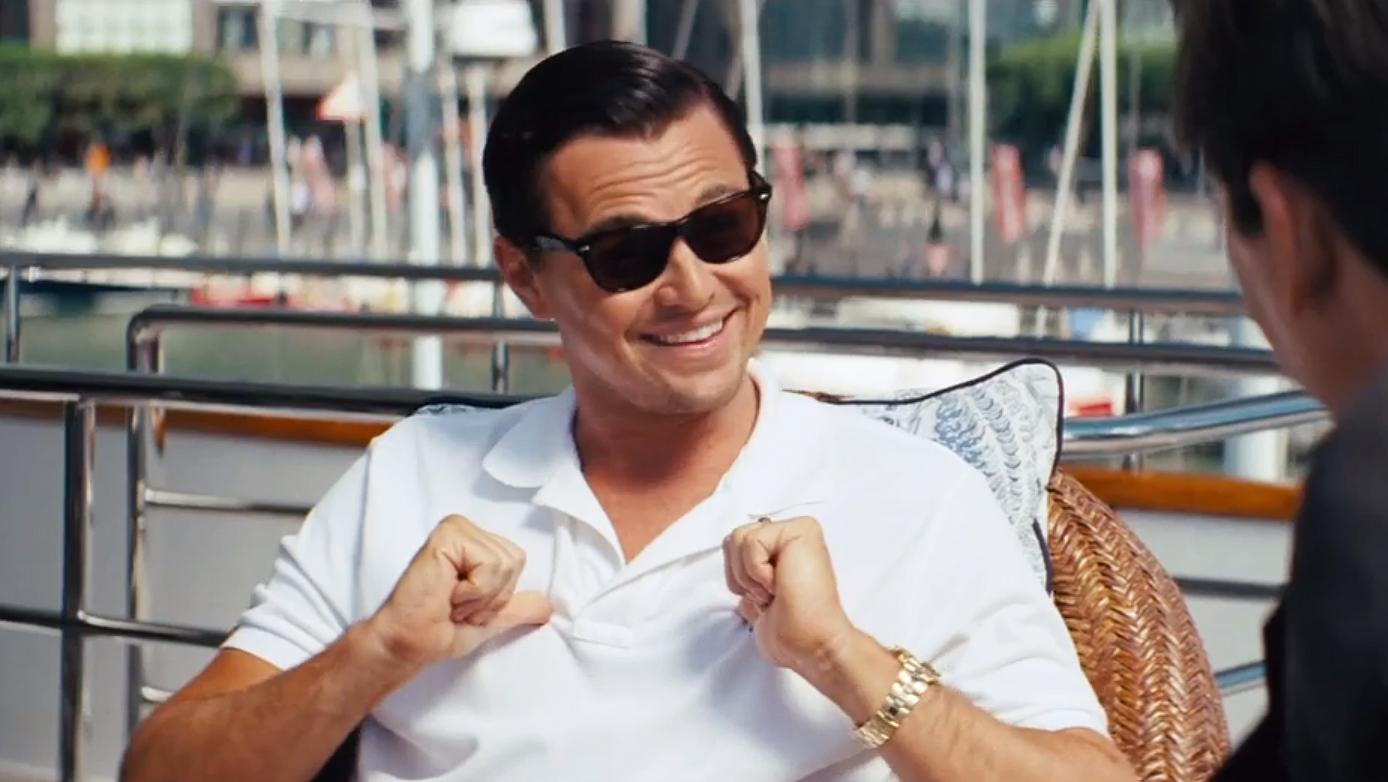
THE WOLF OF WALL STREET is a joyous, mostly unashamed feast of sin, and a pleasingly brazen, amusing and different Oscar-contender in comparison to all the more supposedly “fitting” contenders it’s up against this year.

Based on Jordan Belfort’s memoir, Martin Scorsese’s film follows the young stockbroker (Leonardo DiCaprio) who builds his own firm from the ground-up following Black Friday and the collapse of the major Wall Street counterpart who had employed him. Belfort learns to play the system, to bend and break the rules to keep millions flowing into his and his stockbroking cartel’s pockets, and pays little heed to the pain he is causing his nearest and dearest. He flaunts his life of ridiculous excess, the ups and downs of his dysfunctional relationships, and tells the story of how he managed to keep climbing his mountain of money and coke until he took one morally grey risk too many…

Terrence Winter’s screenplay turns foulness into an art form, further brought to life by the casts’ impressive improvisation skills. Much publicity has been given to the film breaking the record for the most f-words uttered in an R-rated film (506, if you’re counting). While this might seem excessive (like everything else in the film), you hardly notice after a while, and it blends seamlessly into the rhythm of the dialogue, and is completely in-keeping with the merciless and stressful world of stockbroking, a world where millions are on the line every day, that the film recreates. The script is certainly one of the filthiest, most brilliant examples of the last decade, and everyone involved attacks it with gusto.

On the cast, DiCaprio gives an Oscar-worthy performance as an utterly detestable, but completely captivating scumbag. He effortlessly inhabits Belfort’s dark side, and shows he has real skill for physical comedy too, particularly in an extended (incredibly, improvised in one take) sequence where Belfort, stoned out of his mind and body attempts to get in his Lamborghini, severely hampered by the car’s ridiculous doors. Jonah Hill is almost unrecognisable Belfort’s best friend and business partner Donnie, a vain, base egomaniac, and Margot Robbie gives as good as she gets and holds her own quite comfortably amongst a cast of loud, brash, revolting men as Belfort’s second wife, the formidable Naomi.

It’s the most outright-funny film Martin Scorsese has ever made. There’s broad slapstick, foully witty put-downs, Belfort’s near-constant sardonic voiceover and dwarfs being fired at a giant dartboard. You often feel like you shouldn’t be laughing at the really wrong things the characters are saying and doing, but sometimes it’s impossible not to chortle without injuring yourself (especially DiCaprio’s Belfort inventing a new, really offensively named stage of drug intoxication).

You might think the most over-the-top scenes have been exaggerated, embellished for the sake of drama and entertainment. Incredibly, they haven’t. Even a scene late in the film that wouldn’t look out of place in a big-budget disaster movie actually happened. Belfort’s Wolf life couldn’t have been more perfectly designed to be re-told through a visual medium if he were a coke-addicted superhero. While most scenes are showy, Scorsese’s directorial style pleasingly isn’t. His helming of this particular ship is certainly confident, but most of the time he’s happy to sit back and let things play. He resists most of his usual flourishes, but being Scorsese can’t resist one glorious extended stedicam shot in the bustling “Wolf Pit”.

The film is less concerned the hows and whys of Belfort’s crimes, just that they took place. This might be a problem for those who feel he gets off a little lightly. Usually you’d have an antihero punished and perhaps redeeming himself at the end of a film like this. Not so in The Wolf of Wall Street. We witness Belfort’s excesses, he goes to prison, and is out again by the end, poorer, but still filthy rich, and still a scumbag (albeit a tee-total one). I’d argue that we don’t need to explicitly be told by the film what Belfort is doing is wrong. Anyone with any kind of moral compass knows it is, and the characters and their actions are so over-the-top and cartoonily  depraved that we can’t help but feel a bit uncomfortable at the same time as we are enjoying the ride. The life Belfort boasts, full of wall-to-wall sex, parties and drug trips holds a certain depraved appeal, even attractiveness to the common man, so what does this say about us? Is he just living the dream we’d all secretly like to fulfil, if we could just turn off our meddling conscience?

Throughout the film, Belfort breaks the forth wall and speaks directly to us, providing wry, honest commentary on what we are watching, and occasionally altering the events themselves mid-scene. This makes for another weird and wonderful dimension, something else to mark the film out from the crowd. Like with the elusive moral justification and (intentionally) half-hearted explanations of the workings of the stock market (we wouldn’t understand it), Scorsese, through Belfort, is making us realise that the story being told may or may not be true, and may or may not just be one man’s elaborate ego trip.

To an extent, I can understand some viewers’ misgivings about seeing, and especially enjoying the film. It’s been a tough few years economically, and we’re not out of the woods yet. The money men – the bankers, the stockbrokers, the super-rich all had their part to play in the gradual decay and eventual collapse. Why are we giving this criminal, this swindler the publicity he so obviously craves? Does he deserve it? Of course not. Jordan Belfort committed inexcusable crimes, lying to and cheating companies out of millions over a decade. The film does not glamorise Belfort’s crimes by representing them as fun, though they probably were, for him, a thrill-ride from start to finish. But it is a great story that is thrilling and engaging in the telling, and once the cocaine cloud finally settles, and you’re allowed to survey the emotional wasteland of a life Belfort created for himself, and it really sinks in how hollow, sad and unfulfilled a man he was.

The release of The Wolf of Wall Street is very well-timed, and bound to promote the most debate as the world is still licking its wounds from financial hurt. Beyond providing moral issues aplenty to discuss, the quality of craftsmanship on show, the memorable nature of the performances, and the gall to make us follow a truly despicable, though ever-charming anti-hero, makes it among Martin Scorsese’s bravest and most enjoyable works, and certainly makes it one of the best films of 2013. I really can’t recommend it enough. SSP

Posted in Film, Film Review | Tagged , , , , , , , , , | 4 Comments

Greatest Oscar Injustices 2004-2013

The selection of the Academy Awards is an unfair, flawed system. Everyone knows that. Not long to go now before this year’s awards, so here’s my pick of the biggest mistakes the Academy made over the last decade, and the alternatives that, in my opinion, should have been chosen instead.

2004

large_city_of_god_blu-ray_3

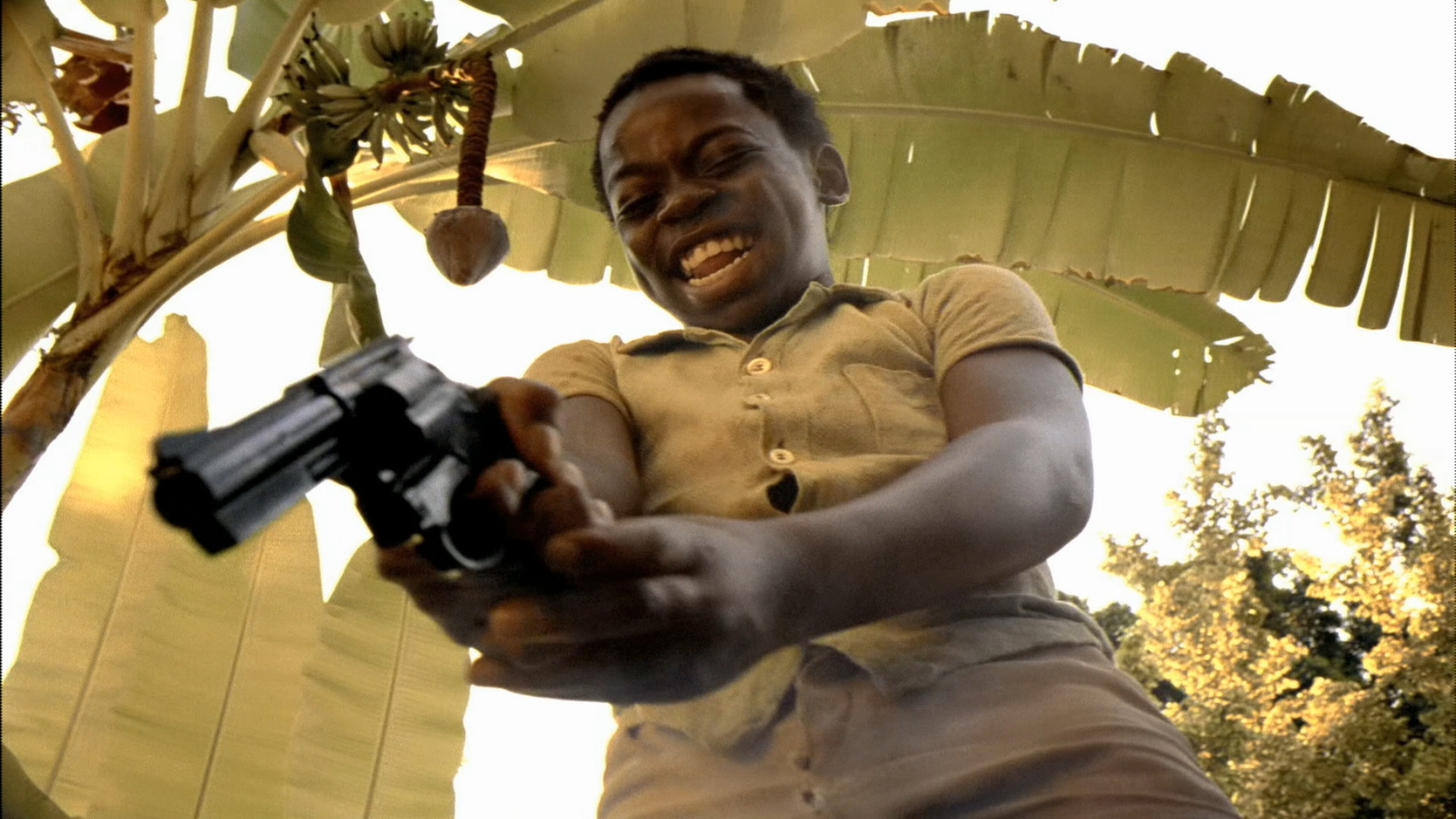
Injustice: CITY OF GOD wasn’t nominated for Best Foreign Language Film

Case for: Fernando Meirelles’ Favela-set coming-of-age/gangster drama is a marvel. Thematically hard-hitting, stylistically dazzling and brought to vivid life by a group of non-professional actors, you sadly don’t see a film like this every year.

Case against: The Academy, in fairness, did recognise City of God in other categories, with nominations for Director, Adapted Screenplay, Editing and Cinematography, and the film was just unlucky to come up against THE RETURN OF THE KING in the first three categories and MASTER AND COMMANDER: THE FAR SIDE OF THE WORLD in the latter.

2007

vw-van-in-little-miss-sunshine

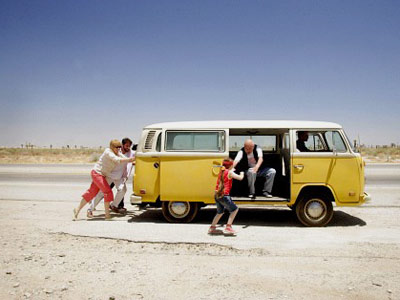
Injustices: 1. LITTLE MISS SUNSHINE didn’t win Best Picture/2. Ryan Gosling didn’t win Best Actor

Cases for: 1. Who’d deny this fell-good oddball family road movie its time to shine? The Academy, that’s who! THE DEPARTED is far from Martin Scorsese’s finest work, and it pales in comparison (and often copies, shot-for-shot) the film it remade, INFERNAL AFFAIRS. 2. Gosling’s dramatic breakthrough took far too long. His performance as a substance-abusing schoolteacher in HALF NELSON is heart-breaking, equal or superior to all of the strong, silent types he’s played in recent years in art films.

Cases against: 1. I guess the judges were growing bored of refusing Scorsese the top honour. It’s great that he was finally named Best Director, and perhaps they were just making it up to him for making him wait so long by showering praise on the rest of the film. Little Miss Sunshine was recognised for its acting, with a win for Alan Arkin and a nomination for the young Abigail Breslin, so there’s that. 2. Gosling was unlucky enough to be drawn against Forest Whitaker playing Idi Amin in THE LAST KING OF SCOTLAND, and the Academy loves a major actor playing a real-life monster.

2008

once2

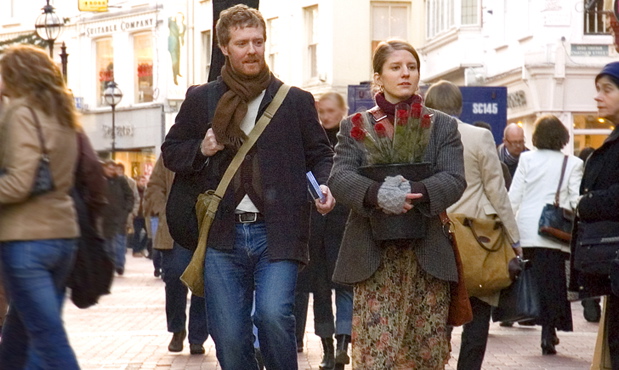
Injustice: ONCE wasn’t nominated for Best Picture

Case for: The Academy loves musicals, and this was a particularly special one. A realist folk musical with a good helping of light comedy and heavier social drama, it results in a very appetising cocktail.

Case against: Maybe Once was too “Irish” for the Academy’s taste? Self-deprication and bittersweet, ambiguous endings don’t always sit well with them. “Falling Slowly” rightly won Best Original Song as a consolation prize.

2009

The-Dark-Knight

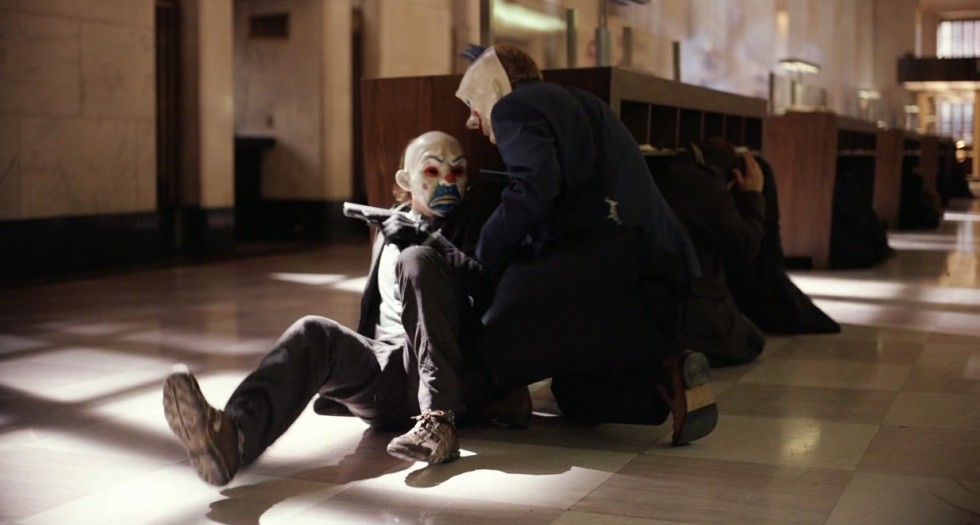
Injustice: THE DARK KNIGHT wasn’t nominated for Best Picture

Case for: The Dark Knight was more than a superhero film. It was a big, meaty operatic tragedy with comic book trappings elevated by perfect craftsmanship. It was Best Picture material, this was the Academy’s one chance to prove they weren’t out of touch, and they failed. And no, token nominations in the technical categories and Heath Ledger’s posthumous award don’t compensate.

Case against: Last decade, only five films were nominated for Best Picture each year. It’s widely considered because of the snubbing of The Dark Knight that the Best Picture shortlist was increased from 2010 to take into account a wider range of films, though we’ve yet to see many notable results from the change.

2010

coraline04

Injustice: CORALINE didn’t win Best Animated Feature

Case for: As nice as Pixar’s UP was, what everyone remembers from it is the moving opening montage. It didn’t maintain that impeccable form throughout, and tailed off towards the end. Coraline was an original creepy-sweet animation the likes of which we’ve never seen, and should have been recognised as such.

Case against: Coraline might have been a bit too weird for some, and the “Married Life” montage in Up was lovely…

2011

the_social_network41

Injustices: Neither THE SOCIAL NETWORK, INCEPTION, THE FIGHTER or BLACK SWAN won Best Picture

Cases for: THE KING’S SPEECH was a good film – the script was solid (if lacking in subtlety), the actors all made their mark, but there was such a huge variety of better, more interesting films in 2010. Pretty much every other film nominated was more deserving, layered and nuanced. The wrong decision was made, simple as that.

Cases against: Colin Firth is a huge actor playing a real person overcoming adversity in a simple feel-good story, and the Academy will always take that over cerebral sci-fi, complex morals, unlikeable protagonists and ambiguous endings.

2012

tinker-tailor-soldier-spy-12092011

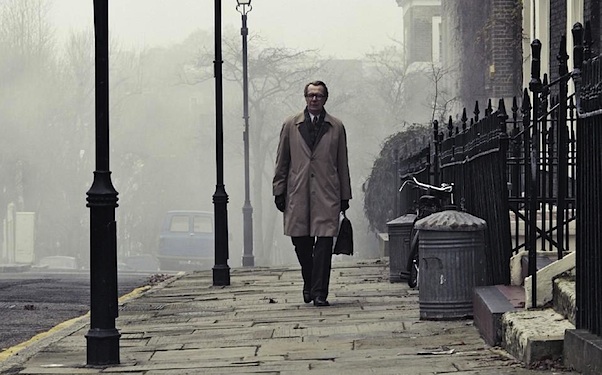
Injustices: 1. Gary Oldman didn’t win Best Actor/2. Andy Serkis wasn’t nominated for Best Supporting Actor/3. TINKER TAILOR SOLDIER SPY and DRIVE were not nominated for Best Picture

Cases for: 1. Any other year, Oldman’s masterclass in understatement and control as intelligence officer George Smiley in Tomas Alfredson’s take on Tinker Tailor Soldier Spy would have been a sure Best Actor winner. Unluckily for Oldman, he was up against Jean Dujardin, who the judges were besotted by. 2. The Academy old-timers still don’t seem to appreciate the skill involved in performance capture acting, and tragically overlooked Serkis who brought Caesar the chimp to life in RISE OF THE PLANET OF THE APES. 3. Tinker Tailor and Drive were both immersive and visually stunning pictures, the latter being a massive hit with audiences too, and either could, and should, have replaced Steven Spielberg’s good but not great WAR HORSE.

Cases against: 1. Durjardin demonstrated a performance style not seen on film for decades in THE ARTIST, and it felt like something different. Plus, Gary Oldman is always great – he’ll have other chances. 2. Some still don’t recognise the difference between performance capture and animation, and if you’re not up on the process (despite it becoming more common) it can be difficult to get your head around why it’s just as valid as “real” acting. 3. The Academy loves war movies, and loves Spielberg even more.

2013

beasts-of-the-southern-wild-movie-wallis

Injustices: 1. BEASTS OF THE SOUTHERN WILD didn’t win Best Picture/2. PARANORMAN didn’t win Best Animated Feature

Cases for: 1. Beasts was an astounding debut feature from Benh Zeitlin. With a beautiful aesthetic, vital and unconventional script and bold subtextual themes, we instantly understood what Zeitlin was all about as a filmmaker. 2. BRAVE was good, but far from Pixar’s best. ParaNorman is a treat for horror nuts, stop-motion fans and pre-teen outcasts, and cemented Laika as a name to be reckoned with on the animation world stage, producing as they do heartfelt, mature and pleasingly, slightly twisted features.

Cases against: 1. ARGO pleased audiences and critics alike, was a good old-fashioned Hollywood affair, and Ben Affleck of course disserved all the praise heaped upon him. Benh Zeitlin is only at the beginning of his filmmaking career too, and had already been showered with awards at international film festivals. Perhaps you don’t want him to be consumed by his own hype this early. 2. The Academy adores Pixar, and if in any doubt will give them the top animation prize by default. Also, in Brave, it was nice to see the criminally under-represented mother/daughter relationship in a mainstream animated feature.

Less than a month to go now before the 2014 Academy Awards ceremony. I’m hoping GRAVITY will take the top prize (though it’ll probably be 12 YEARS A SLAVE, and hopefully not AMERICAN HUSTLE) and that THE HUNT is recognised as Best Foreign Language Film. Beyond that, it looks pretty open to me, and the results should be interesting, even if the decision-making process remains a bit broken. SSP

Posted in Film, Film Feature | Tagged , , , , , , , , , , , , , , , , , , , , , , , , , , , , , , , , , , , , , , , , , , , , , , , | Leave a comment